Written By
Ryan LeClaire
Published On
March 23, 2026
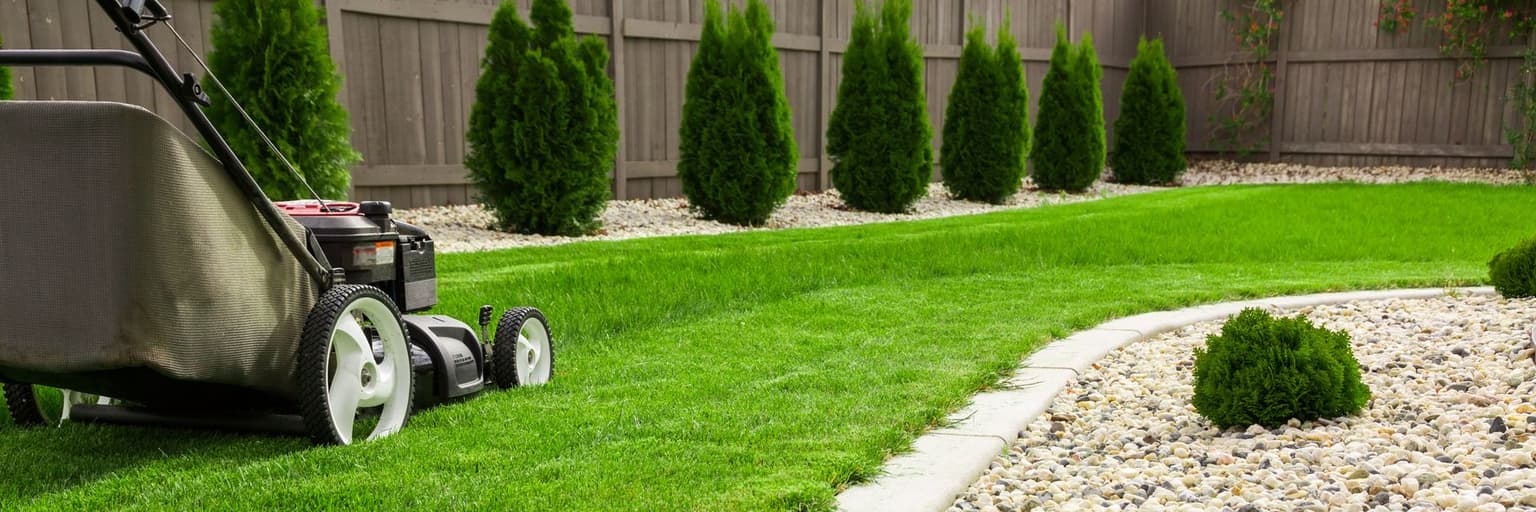
A lot of homeowners think that cutting their lawn super short will give it a neat, putting-green-like look. However, they soon discover that this neat look is short-lived as they start to see things like brown patches, thin spots, or even yard pests.
When you mow your lawn too short, it leaves your soil and turf too exposed to weather, pests, potential diseases, or weed infestations. At the same time, letting it grow too long can prevent it from getting the sun, water, or nutrients that it needs.
We believe that there is an art and a science to mowing to the perfect height. There is a lot of misinformation out there about this topic, so let’s set the record straight and talk about why it’s about more than just aesthetics.
As a good rule of thumb, you will want to trim your grass to about 4” (or 10 cm) to ensure it has enough length to protect your soil, and you never want to remove more than one third of the blade when you mow.
You may also want to leave a little more length during peak summer months for added protection from the sun and heat.
However, these are just guidelines. Your best bet is to contact a local lawn care expert who has firsthand experience with your specific grass type and knows the local weather.
A dull lawnmower blade can tear the grass instead of cutting it clean. This can slow the healing process and leave you open to a possible turf disease attack.
You’re going to want to have your blade sharpened as soon as you buy a new lawnmower. It may surprise you to learn that factory blades on new mowers aren’t sharp.
From there, you will want to sharpen it once or twice a year, depending on how often you’re mowing.
Of course, you can find YouTube videos that show you how to remove a lawn mower blade, as well as how to sharpen a lawn mower blade. But there are also local small businesses and hardware stores that can take care of this for you.
This depends on how much rain and sunshine your area is getting, which will dictate how quickly your lawn grows.
Never cut more than 1/3 of the leaf blade in a single cutting.
Removing too much will stress the grass and can cause it to turn brown. This means that if your lawn has grown excessively long, you should raise your mower to the highest setting before mowing.
Bagging your clippings is not only a pain, but it could also actually hurt your lawn.
Returning your clippings to your lawn (or grasscycling, as it is known) is good for the environment and good for your lawn.
Letting the clippings decompose on your lawn gives valuable nutrients back into the soil. The only time you should remove clippings from your lawn is if they are excessively long and will smother the grass.
Don’t undo any of your good work by committing any of these mistakes.
Change the direction of your path to keep the grass growing strong and straight and to reduce weed growth.
This will prevent the spread of the disease.
We get this question a lot. Can you mow a wet lawn?
You always want to avoid mowing after rain or watering. Wait for it to dry to prevent the risk of lawn disease, torn, fraying grass blades, and even damage to your mower.
Of course, having the perfect lawn requires a lot more than just proper mowing. It also requires expert watering, fertilization, and aeration.
It can be a lot to manage on your own. But we can help!
We can be your lawn care MVPs and help you grow the best lawn in the neighbourhood! You can start right now by answering a few quick questions about your lawn.
Written By
Ryan LeClaire
Published On
March 23, 2026
Lawn care is a lot like baseball. Fall is when the legends are made.

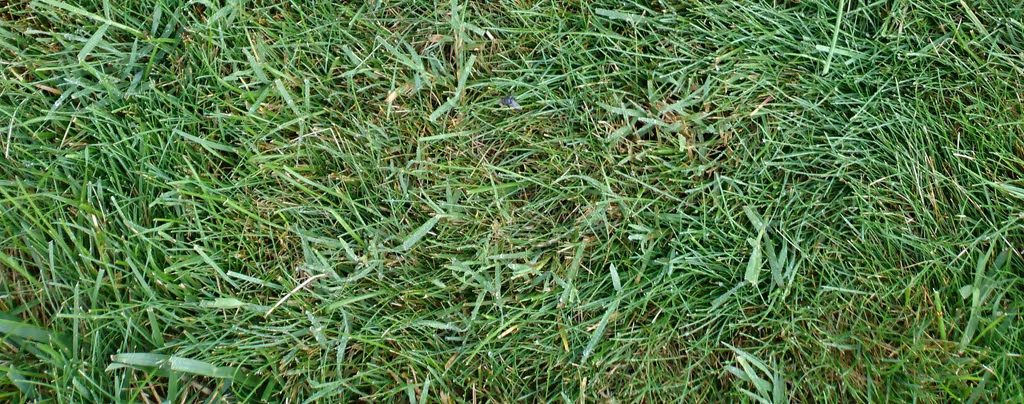
Homeowners in northern and transitional agronomic zones have a lawn care season that runs from spring to fall, then they get to take winter off. But not you.

Calling all customers! Help us plant the seeds of kindness and give a much-needed hand to our neighbors. It’s time for our 3rd Annual Grassroots Giving food drive.

