Written By
Allison Russell
Published On
October 16, 2024
Grass is a living organism that requires proper care throughout the year, and the harsh winters in the Maritimes can be especially tough on your lawn. The freeze-thaw cycles caused by fluctuating winter temperatures can weaken your grass and leave it vulnerable to damage and disease.
In late fall, grass plants begin preparing for winter and the following spring. Winterizing practices help strengthen your lawn’s resilience against temperature fluctuations, disease, and other seasonal stressors. Taking the right steps now will ensure a healthier, greener lawn come springtime.
There are several key practices to protect your lawn from the challenges of winter. Below are some expert-recommended tips:
Late Fall Fertilization
Fertilizing in late fall is essential for your lawn’s health. As the days cool, grass slows its top growth and starts storing nutrients and sugars. This process continues while the grass remains green, building reserves to support the plant through the winter and ensure quick green-up in the spring.
Weed Man’s Slow-Release Fertilizer is an ideal choice, minimizing nutrient loss while maximizing spring growth. This environmentally friendly option ensures your lawn gets the nutrients it needs to thrive.
Mechanical Core Aeration
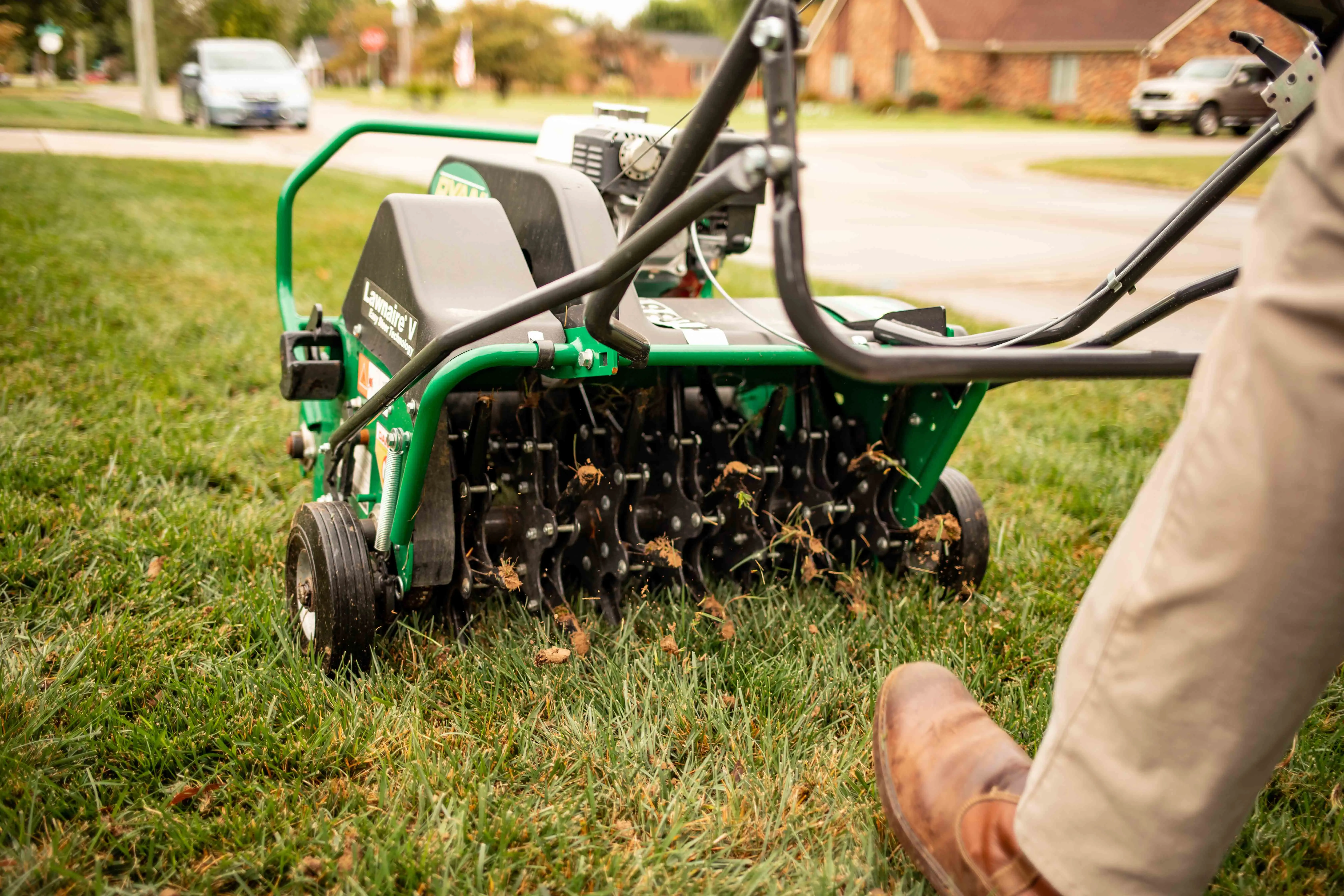
Fall aeration offers tremendous benefits for your lawn. By reducing soil compaction and excessive thatch, aeration improves the absorption of fertilizer, water, air, and sunlight. This encourages deeper root growth, helping grass plants store more nutrients and water to withstand winter stress.
Regular aeration also promotes healthier soil, making your lawn more resilient and ready for the next growing season.
Proper Mowing
Just like mowing too short in the heat of summer can harm your lawn, cutting it too short too soon in the fall can cause damage. Throughout the cool fall weather, continue mowing at the recommended height to allow your grass to store essential nutrients.
For the final few mows of the season, gradually lower the height by about 1 cm (½ inch) below your usual setting. This prepares the grass for winter and reduces the risk of disease caused by snow-matted lawns. If you use a mulching mower, leave the clippings on the lawn. The clippings will protect the plant crowns and provide extra nutrients to support root growth through winter and into early spring.
Raking and Debris Removal
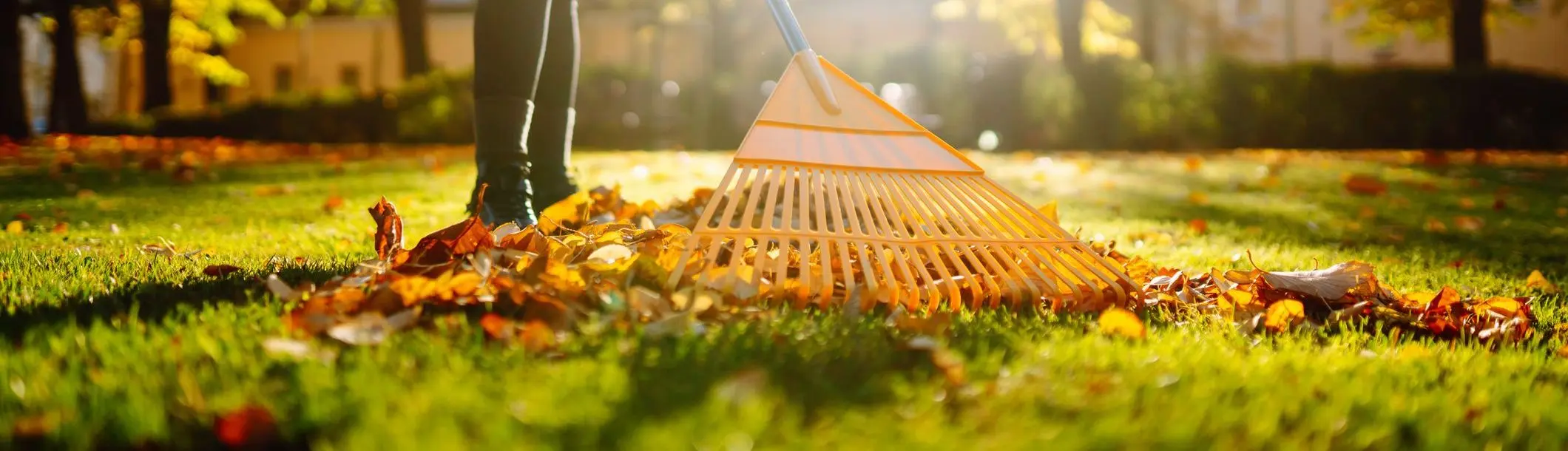
While mulched grass and leaves can be beneficial, large piles of leaves or other debris should be removed from your lawn. If left in place, they can smother the grass and create a damp environment for diseases to develop. A quick rake ensures your lawn can breathe and stay healthy through the winter.
If you need further advice on winterizing your lawn or have any other questions, feel free to contact your local Weed Man Professional. We’re here to help keep your lawn in top shape year-round.
Written By
Allison Russell
Published On
October 16, 2024

They say charity starts in your own backyard, and we feel that’s absolutely true. We don’t just work in our communities; we live here too. And we feel it’s important to give back.

Lawn care is a lot like baseball. Fall is when the legends are made.
Homeowners in northern and transitional agronomic zones have a lawn care season that runs from spring to fall, then they get to take winter off. But not you.