LAWN DISEASES

CHLOROSIS IN ST. AUGUSTINEGRASS

CHLOROSIS IN ST. AUGUSTINEGRASS - Resource Image

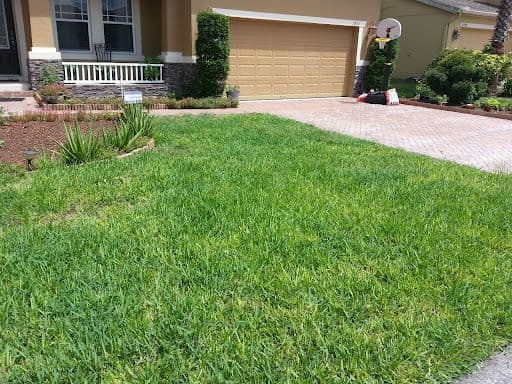
Chlorosis refers to the yellowing or pale appearance of the grass blades due to a deficiency of chlorophyll, the pigment responsible for the green color.

What Is Chlorosis St. Augustinegrass?

It is a common problem that affects many types of turfgrass, including lawns, golf courses, and athletic fields. Chlorosis can be caused by several factors, including:

  • Chlorosis often occurs due to a lack of essential nutrients, particularly iron. Iron is necessary for chlorophyll synthesis.
  • Turfgrass thrives in slightly acidic to neutral soil conditions. When the soil pH becomes too alkaline or acidic, it can lead to nutrient imbalances and subsequent chlorosis. For instance, alkaline soils can cause iron to become less available to the plants, leading to iron chlorosis.
  • Excessive water or poor drainage can result in waterlogged soil conditions, depriving the grass roots of oxygen. This can disrupt nutrient uptake and lead to chlorosis.
  • Compacted soil prevents air circulation and inhibits root development. Inadequate root growth can impair nutrient absorption and contribute to chlorosis.
  • Environmental factors such as excessive heat, drought, cold temperatures, or excessive shade can stress the turfgrass, affecting its ability to produce chlorophyll and leading to chlorosis.

The tricky thing about iron chlorosis in the lawn is that it mimics the symptoms of other lawn ailments. If the uppermost leaves turn pale green or yellowish-green, it’s likely iron chlorosis. It’s also likely that the grass blade’s vertical veins may appear a darker green than the surrounding leaf tissue.

How Can I Prevent Chlorosis In My Lawn?

St. Augustinegrass is very sensitive to iron deficiency and often develops chlorotic symptoms in alkaline (pH > 7.5) soils or iron-deficient soils. If desired, this can be corrected with foliar applications of iron sulfate or iron chelate. Soil applications of a granular iron amendment are less effective in alkaline soils, as the iron may become quickly bound up and unavailable for plant uptake. The application of high-quality compost materials may also be beneficial in introducing micronutrients to your turfgrass system.

A thick, healthy, well-maintained lawn is the best line of defense. Here’s how you can adjust your beneficial cultural practices to reduce the likelihood of Chlorosis:

  • Water Properly and Avoid Overwatering: During active chlorosis, do not stop watering completely, as drought stress can further weaken infected turf. Water deeply and only as needed—typically 30–45 minutes per area, twice per week, depending on rainfall and soil conditions. Irrigate in the early morning so the turf can dry during the day. Avoid frequent or excessive irrigation, particularly automatic schedules that continue during wet weather, as prolonged leaf wetness and saturated soil can encourage disease development and spread.
  • Avoid Mowing: Under normal circumstances, you should maintain a suitable mowing schedule and height (usually cutting to a height of 2 1⁄2 - 3 1⁄2 inches, though that height may vary for some warm-season grasses). However, you should avoid mowing when the disease is active. If you do have to mow, make sure your mower blade is razor sharp, so that the blade does not fray the tips of the grass, spreading the disease.
  • Fertilize Regularly: Regular applications of Weed Man’s specially formulated, slow-release granular fertilizer will help provide your lawn with adequate nutrients. These applications are timed specifically to avoid over fertilizing the lawn.
  • Core Aeration: Aerating your lawn can improve soil drainage and help reduce the likelihood of lawn diseases. This will also alleviate soil compaction and allow water and nutrients to penetrate deeper into the soil.

Your local Weed Man professional may be able to offer other solutions and recommend the best form of treatment that is available to improve the conditions of your lawn.
More to Discover

WHAT DOES DROUGHT STRESS ON MY LAWN REALLY LOOK LIKE?

WHAT DOES DROUGHT STRESS ON MY LAWN REALLY LOOK LIKE?

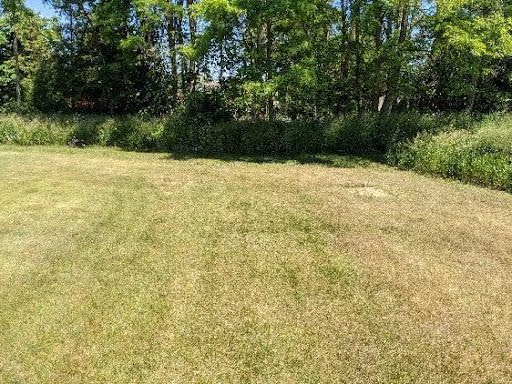
Drought stress refers to the negative effects on a lawn when there is not enough water available for the grass to properly grow and thrive. This can cause the grass to turn brown and dormant, while al...
TAKE-ALL PATCH

TAKE-ALL PATCH

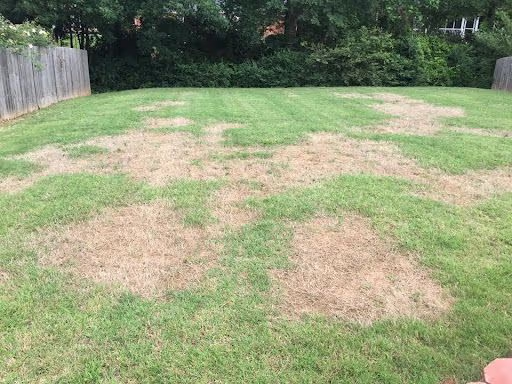
Take-All Patch, also called “Root Rot,” is a common fungal disease that affects the roots of grass plants, particularly in golf courses and lawns. It attacks lawns that are already stressed, weakened,...
MOLES

MOLES

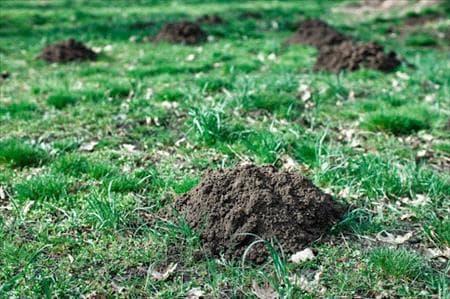
The adult mole is a small, burrowing mammal, commonly found in lawns and gardens. It has dark gray or brown velvety fur and a cylindrical body that is 15 to 20 cm (5 to 8 inches) long. It has small ey...