Written By
Ryan LeClaire
Published On
September 4, 2026
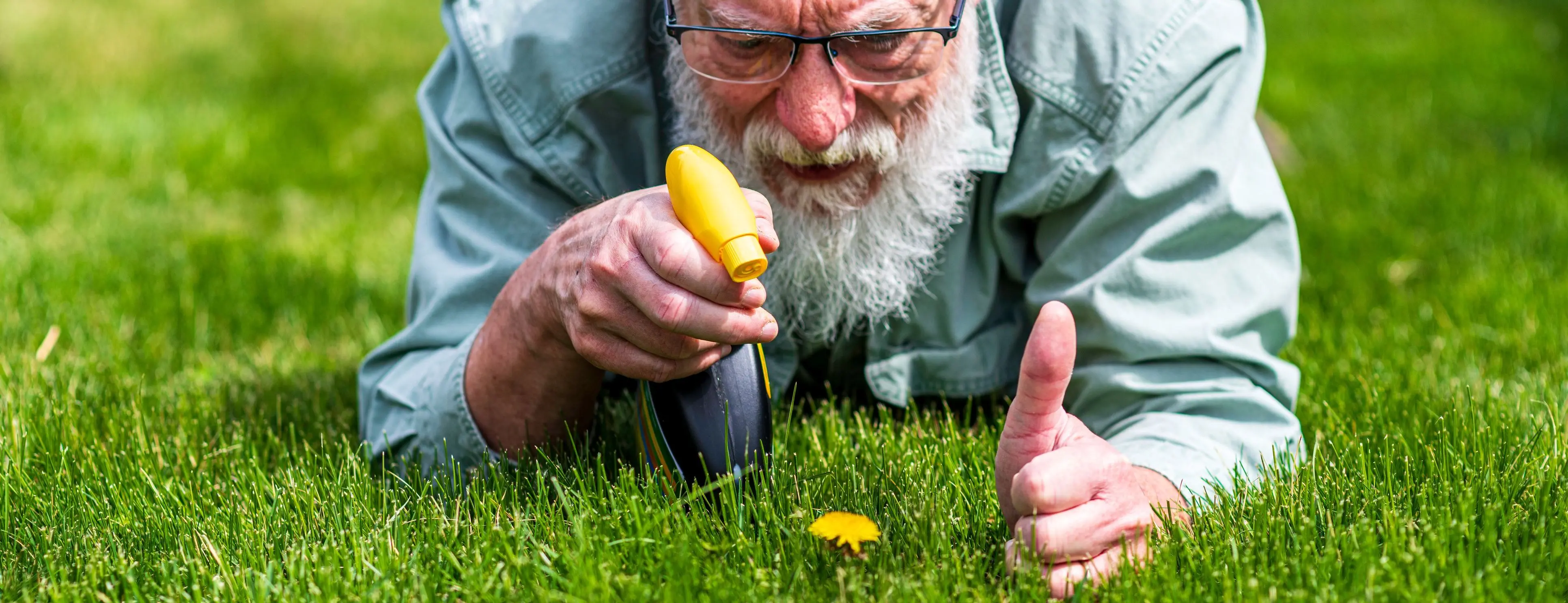
Never confuse best intentions with best practices. We talk to countless homeowners every day who have been told they need to treat their lawn a certain way, only for them to find out that this is the wrong way.
It’s never their fault. They get advice from well-meaning neighbors, family, and friends. These people have been doing these things for years, and their lawns look okay, so why not believe them?
And that’s how myths are born.
Today we’re going to sort the fact from the fiction. We’re going to explore some of the most popular lawn care myths you may hear, and give you the straight facts based on our years of experience in weed control and lawn care.
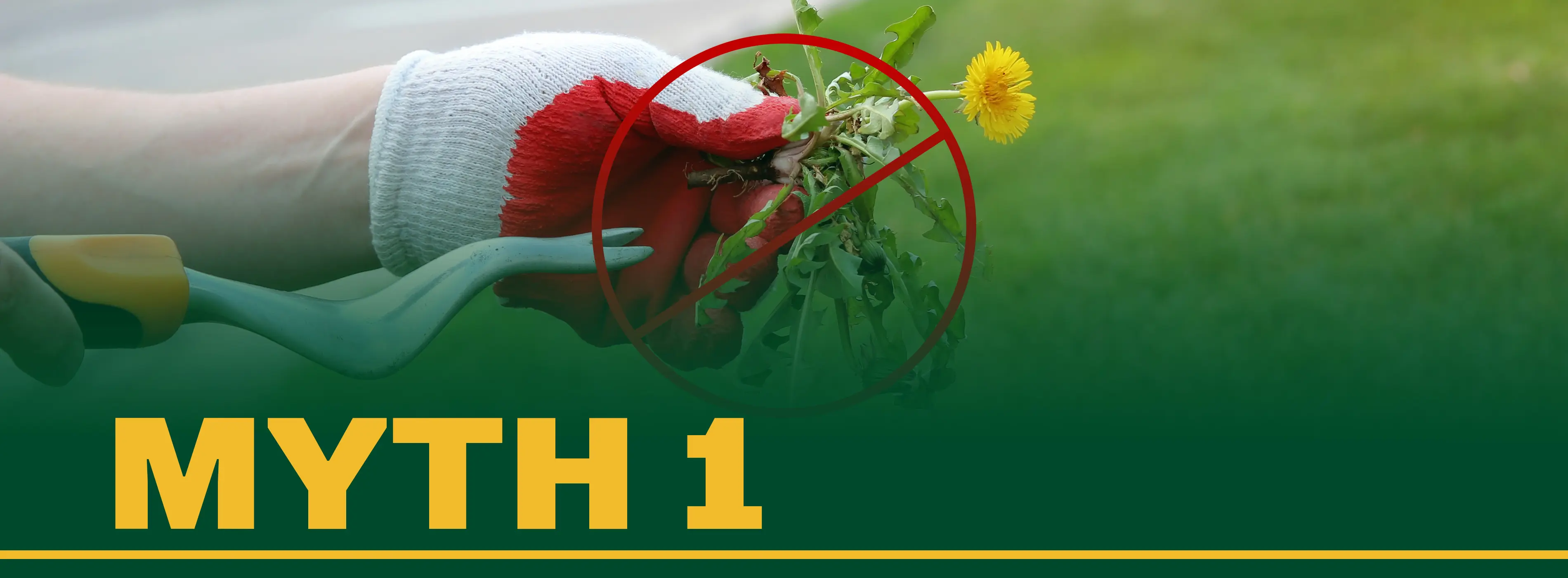
We might as well start here because this lawn care mistake is so popular that thousands of people swear by it.
You may notice that the people who swear by this method have made this a part of their yearly lawn care routine, which means their dandelions keep coming back.
The problem with hand pulling is that it’s almost impossible to know if you’ve removed the entire taproot, and the taproot is what is going to lead to the next generation of dandelions. They may not pop up tomorrow, or next week, or the week after that, but it won't be long before they pop back up.
Homeowners who rely on hand-pulling dandelions (or other weeds) often do so because they don’t know what products to use or may not be sure how to get started. However, there is a better way that will also keep dandelions from being a problem next season.
At Weed Man, we use a comprehensive weed control strategy that includes:
That last part is where too many homeowners go wrong.
We like to say that the best defense against weeds is a thick and healthy lawn, and you, the homeowner, play a huge role in the results by doing just a few simple things.
A well-structured lawn maintenance routine is the best dandelion game plan you can have. This includes:
In a lot of cases, a professional aeration once or twice a year can also go a long way.
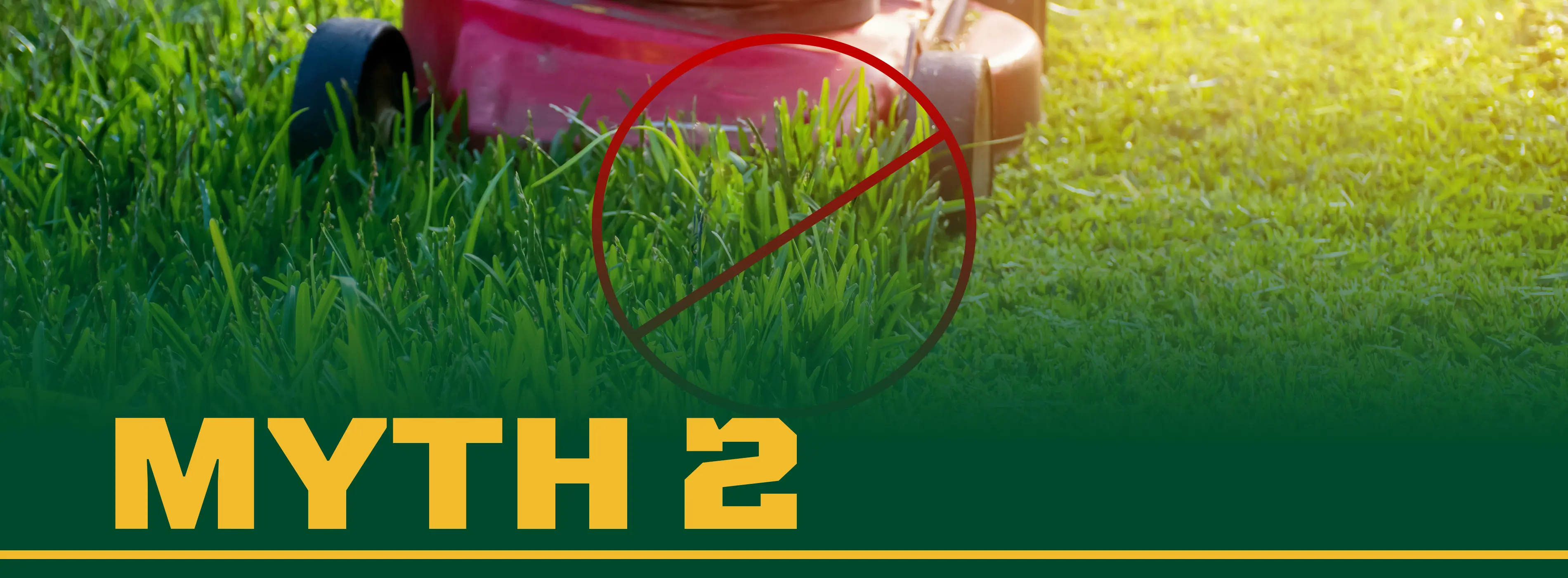
A tightly cropped lawn looks great... Until it doesn’t.
People who want putting-green-short grass for their home need to remember that golf courses have full-time greenskeepers and a million-dollar irrigation system. You do not. So when you cut your grass too short, it robs your soil of the protection it needs from sun, wind, and foot traffic.
Cutting your lawn too short can lead to:
Cutting your lawn too short means you’re going to have to work incredibly hard to keep it thick, green, and healthy.
As a good rule of thumb, you will want to mow your lawn to about 3 inches (or 10 cm) to ensure it has enough length to protect your soil, and you never want to remove more than one third of the blade when you mow.
However, these are just guidelines. Your best bet is to contact a local lawn care expert who has firsthand experience with your specific grass type and knows the local weather.
No matter what type of grass you have in your yard, you never want to remove more than a third of the blade when you mow.
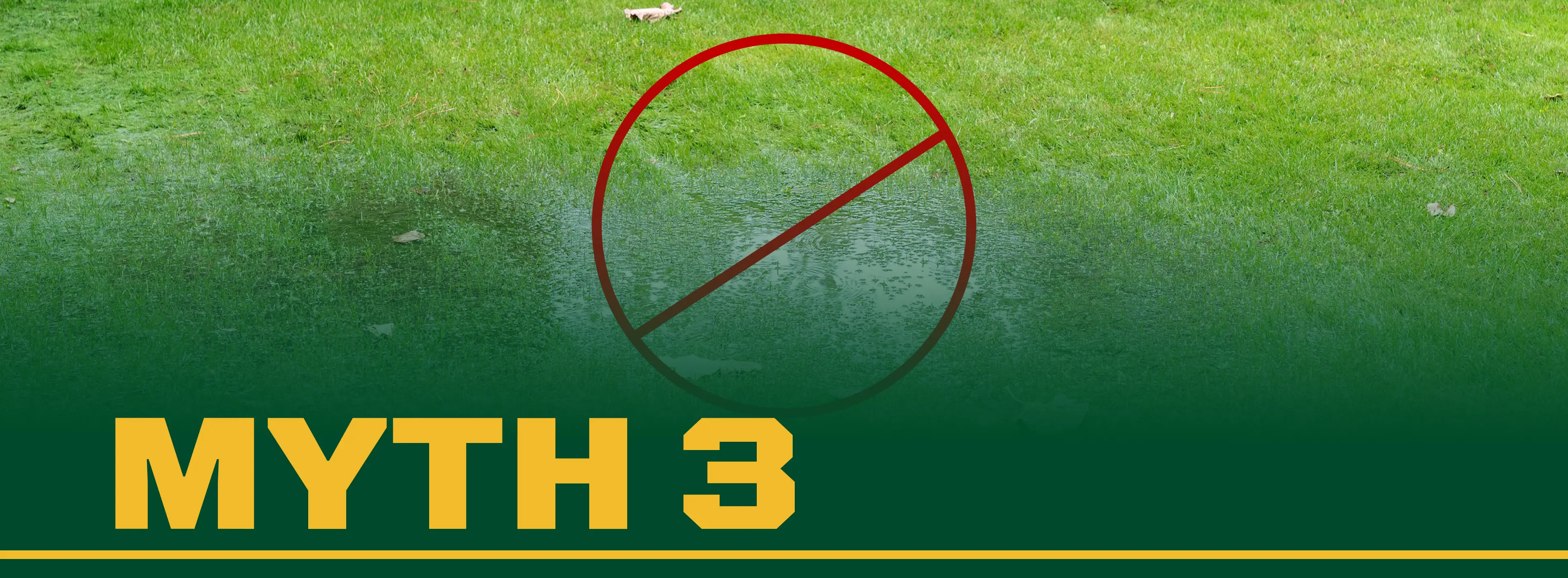
More moisture means more growth, right? Wrong.
It’s definitely possible to have too much of a good thing. Extended leaf wetness can actually make your yard a breeding ground for:
This is why we recommend watering your lawn deeply and infrequently.
However, your local weather is always the determining factor. There are some circumstances in the South that may require watering daily depending on conditions.
This all depends on how much rain your local area has seen recently.
But, as a guideline, you should wet your soil to a depth of 3 to 4 inches (7 to 10 cm) every time you water it, and aim to water every section twice a week for about 40 to 45 minutes.
You may see a lot of sprinklers on and a lot of people out with hoses when you get home from work in the evening. But that doesn’t mean your neighbors are doing the right thing.
The optimal time to water is between 5 and 9 am when the temperatures are cool; watering on a hot summer day would likely be a waste, as it would evaporate too quickly.
Have you watered your lawn too much? If it feels too soft and squishy underfoot, it’s most likely overwatered.
You can also look for these telltale signs:
You may also see yellow spots on your lawn because your roots aren’t getting enough oxygen.
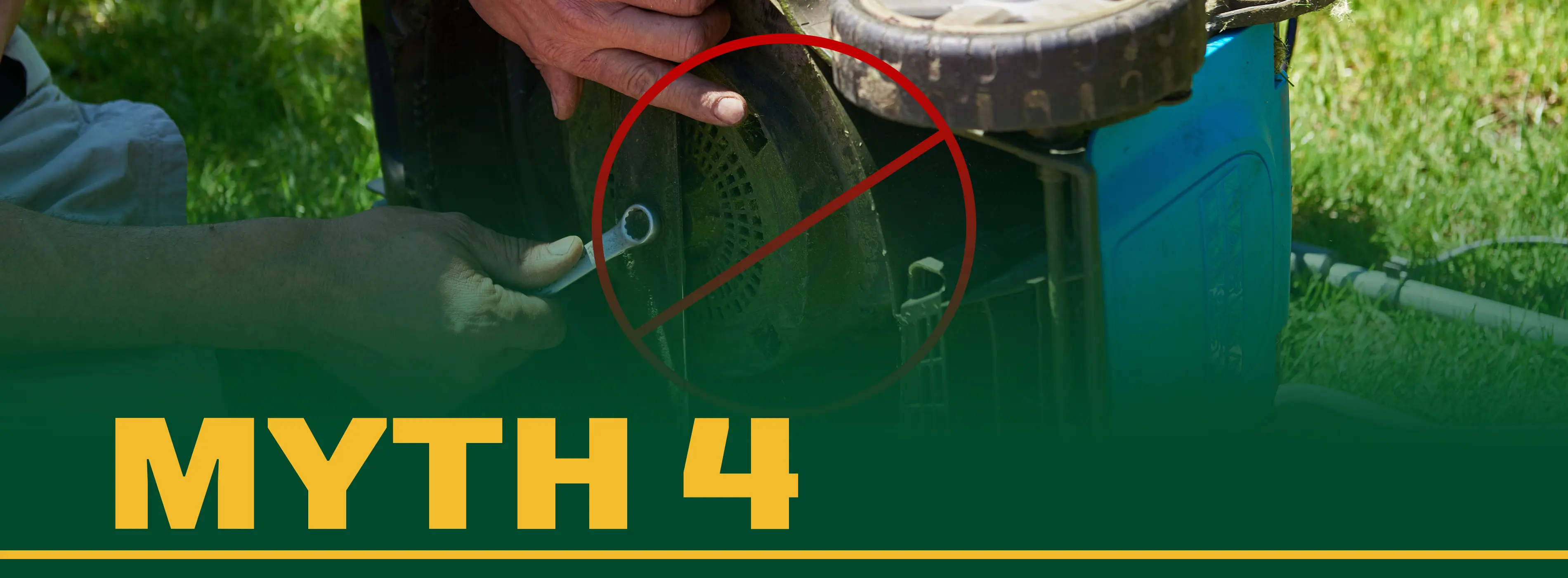
There’s a reason many homeowners are disappointed when a new mower doesn’t cut quite like they expected.
This is probably one of the biggest misconceptions in all of lawn care. Your shiny new lawnmower does not come with a shiny new blade.
Before you take it out for its first spin, you’re going to need to take the blade off and give it a quick sharpening, because a dull blade is bad for your lawn.
A dull blade will still cut your grass, but it rips and tears the blades instead of making a clean cut. This can damage the blades and leave you vulnerable to possible turf disease attacks.
The answer will depend on how big your lawn is and how often you are mowing. But in general, you will want to sharpen the blade at least twice a year. Once to open the season, and probably one more time midseason.
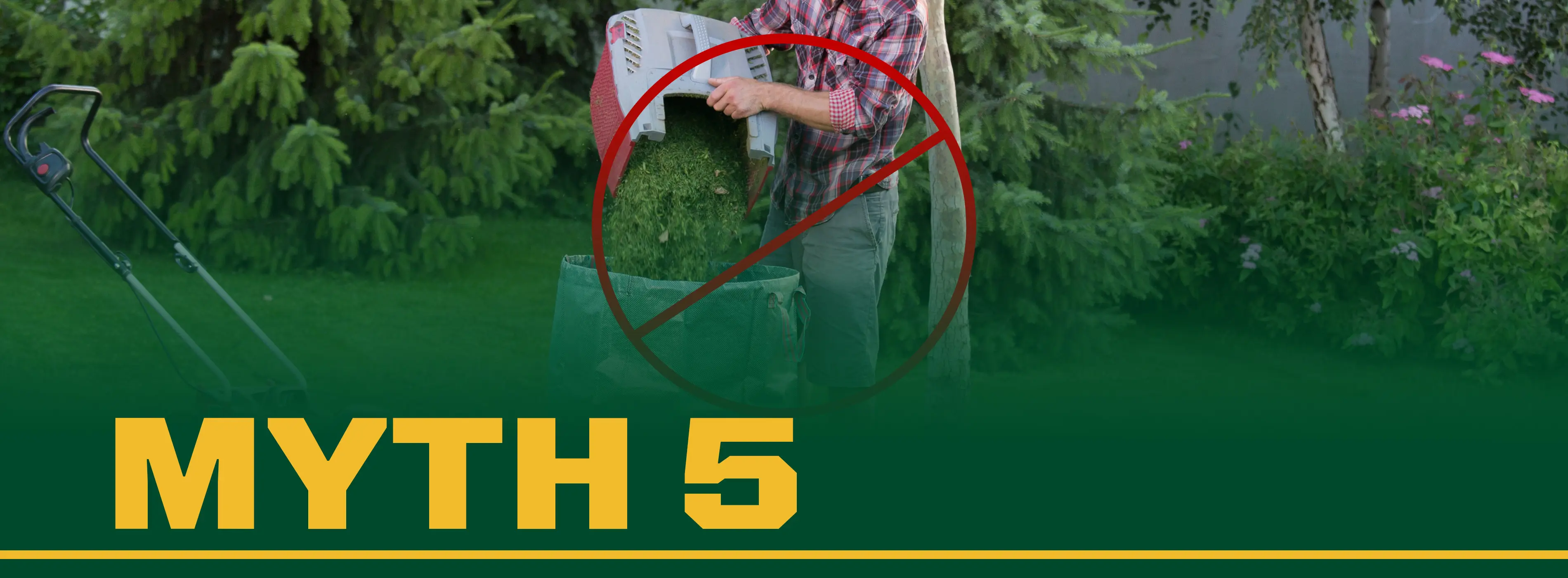
Allow us to save you a lot of time, effort, and bags.
We always recommend leaving your grass clippings on the lawn to break down organically.
This is called grass cycling, and it’s a completely free way to give your lawn some extra moisture and nutrients. All you have to do is… nothing!
As long as your clippings aren’t excessively long, they shouldn’t contribute to anything more than a perfectly healthy (and necessary) layer of thatch.
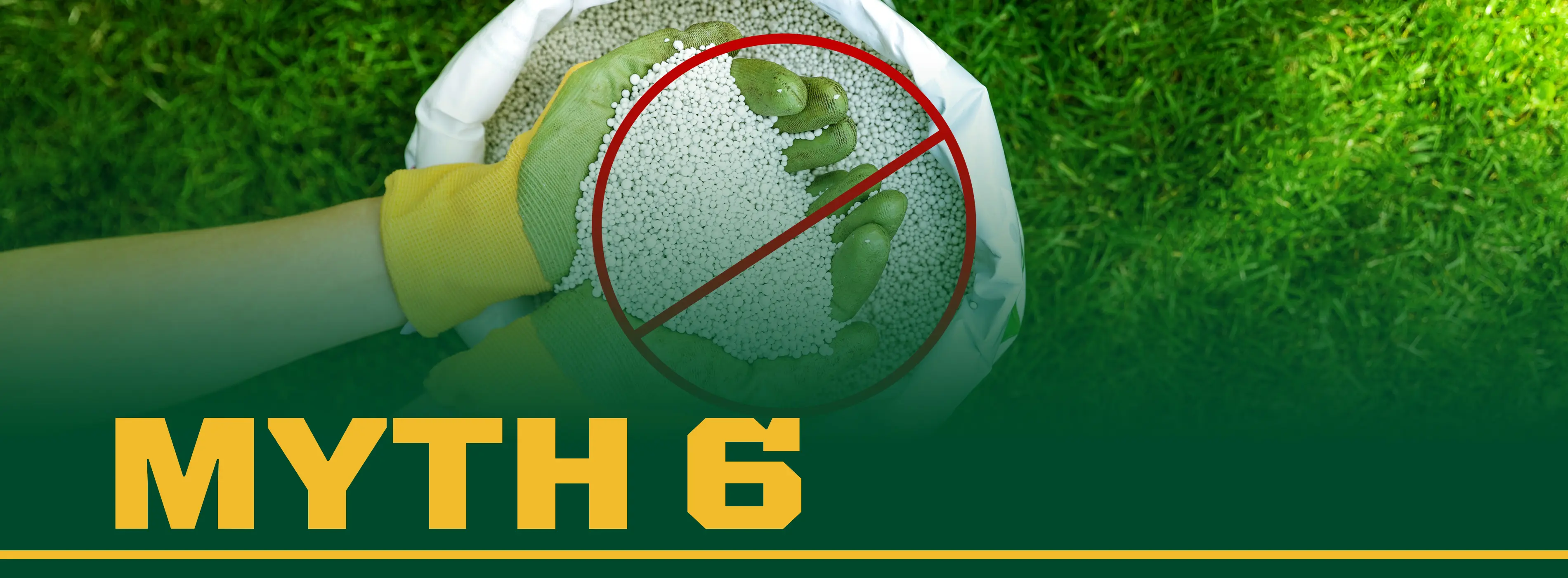
I have a thin and patchy lawn. Feeding it more fertilizer will help, right?
There is an art and science behind fertilizing a lawn the right way. It’s not as simple as just picking up a bag of the most expensive fertilizer at the hardware store.
Too much fertilizer can lead to fertilizer burn, which will leave golden yellow spots behind on your lawn that look a lot like the spots left behind by dog urine.
Your best bet is to trust an experienced lawn care expert to determine how much fertilizer your lawn needs, and spread it the right way.
It may not kill the grass, but it can certainly damage the grass and leave you vulnerable to certain turf diseases.
In some cases, yes. This is often a waste of time and water, and in some cases can do more harm than good. Depriving the roots of oxygen or opening the door to fungal diseases could have a negative impact.
Absolutely! Go ahead and leave your grass clippings on your lawn when you are done.
As they decompose naturally, they will feed valuable nutrients and moisture back into your lawn.
In most cases, yes. This is why we don’t consider hand pulling to be an effective way of getting rid of dandelions or any other weeds.
Most homeowners will leave the taproot behind when they pull their dandelions. And the next generation of dandelions will grow from that taproot.
Your lawn can absolutely recover from too much fertilizer depending on what type was applied and how much was put down. However, your best bet is to call an experienced lawn care professional to guide you from there.
If you’re getting a nice, clean cut, the tips of your grass blades should have a nice, clean cut as opposed to looking like they were torn off.
If the tips are yellow, brown, or frayed, this means it’s probably time to sharpen your blade.
Homeowners make well-intentioned lawn care mistakes every single day. So it’s hard to list them all. But, based on our experience, the most common mistakes include:
Another common mistake is trying to do everything themselves, particularly when they’re trying to rescue an unhealthy or damaged lawn.
In most cases, it's best to trust the pros.
As you can see, many myths are treated as truths in the world of lawn care. But we can help you sort fact from fiction and show you what you really need to do to get a thick, healthy, green lawn the neighbors notice.
“Weed Man did excellent work getting our yard in great condition. It had been ignored for a year or two and Weed Man was serious about getting it in tip top shape. It looks great now. I appreciate the care and expertise put into making it beautiful again. Thank you all!” - A 5-Star Google Review.
Don’t waste time on expensive mistakes! Reach out today and get a free lawn care quote right now.
Written By
Ryan LeClaire
Published On
September 4, 2026

As we head toward 14 years of accreditation with the Better Business Bureau (BBB), Fairfax/Manassas Weed Man is proud to have maintained an A+ rating while staying committed to ethical business practi...

Calling all customers! Help us plant the seeds of kindness and give a much-needed hand to our neighbors. It’s time for our 3rd Annual Grassroots Giving food drive.
Calling all customers! Help us plant the seeds of kindness and give a much-needed hand to our neighbors. It’s time for our 3rd Annual Grassroots Giving food drive.