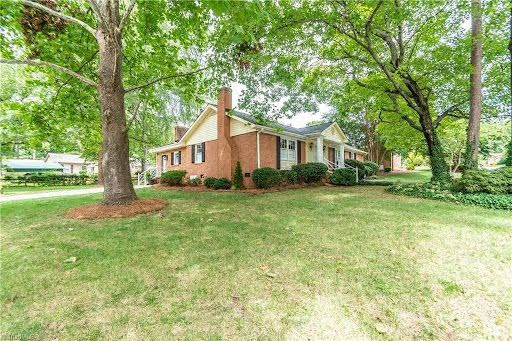
Due to the lack of sunlight, you might notice the grass in shaded areas of your property starting to thin.
Most grass species require a certain amount of sunlight to grow and thrive. When an area is heavily shaded, reducing the amount of sunlight reaching the ground, it can cause the grass to grow more slowly or not at all. Shade can also cause an increase in relative humidity, carbon dioxide levels, and competition from tree roots, as well as a decrease in wind movement. All of these conditions can result in the grass becoming thin and spindly, leading to bare patches in the lawn.
The best way to correct the problems resulting from a heavily shaded lawn is to correct the underlying condition: the shade.
Here are some steps you can take:
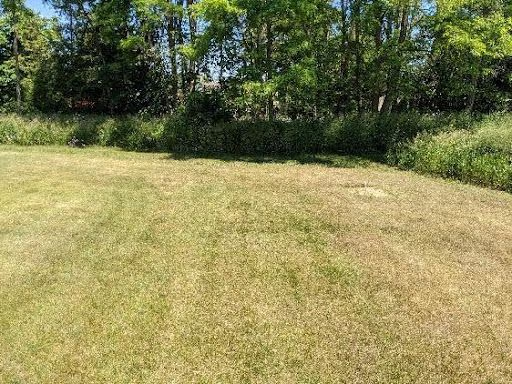
Drought stress refers to the negative effects on a lawn when there is not enough water available for the grass to properly grow and thrive. This can cause the grass to turn brown and dormant, while al...
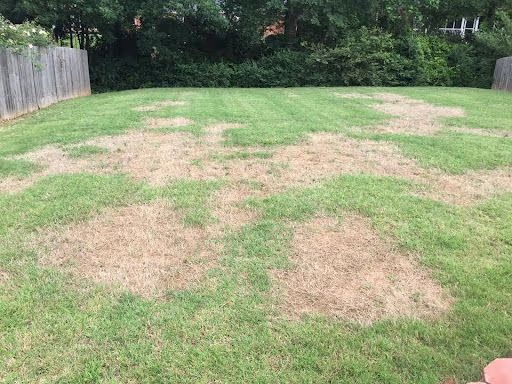
Take-All Patch, also called “Root Rot,” is a common fungal disease that affects the roots of grass plants, particularly in golf courses and lawns. It attacks lawns that are already stressed, weakened,...
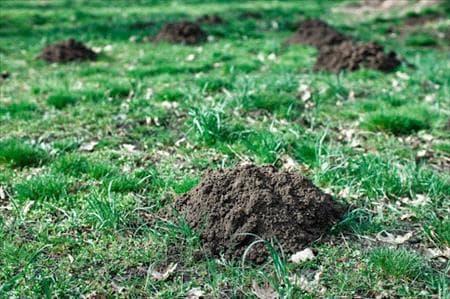
The adult mole is a small, burrowing mammal, commonly found in lawns and gardens. It has dark gray or brown velvety fur and a cylindrical body that is 5 to 8 inches long. It has small eyes and broad f...

