LAWN INSECTS & PESTS

SOD WEBWORMS

SOD WEBWORMS - Resource Image

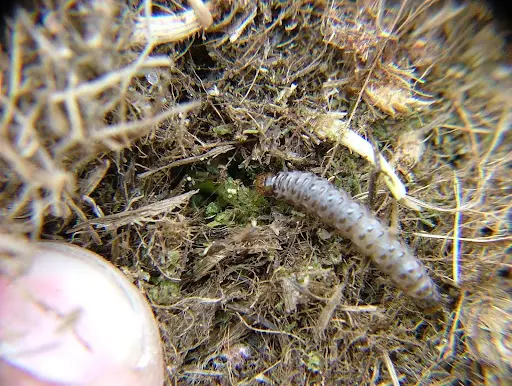
What are sod webworms? They are small, tan-colored caterpillars. They are approximately 1½ - 2½ cm long and are typically found in the thatch layer of your lawn.

They cause damage by eating the blades of grass, leaving brown patches.

WHAT IS THE LIFE CYCLE OF A SOD WEBWORM?

They are more active during hot, dry weather conditions, and damage is usually most severe during the summer months, when the larvae are actively feeding.

  • Egg Stage: The female Sod Webworm Moth lays her eggs on the blades of grass or in the thatch of the lawn. The eggs are usually laid in clusters and are small and white in colour.
  • Larva Stage: After the eggs hatch, the larvae emerge and begin to feed on the grass blades and stems. The larvae are usually light green or tan in colour and have a distinctive "C" shape. As they feed, they create tunnels in the thatch of the lawn, which can damage the grass roots and cause the grass to die.
  • Pupa Stage: Once the larvae have finished feeding and have reached their full size, they spin a cocoon in the soil to prepare for the pupa stage. During this stage, they will transform into adult moths. The pupa stage lasts for about 7 to 14 days.
  • Adult Stage: After the pupa stage, the adult moths emerge from the soil and begin to mate. The male moths are usually smaller and darker than the females, and they have feather-like antennae. The female moths lay their eggs on the grass, starting the lifecycle over again.

The entire lifecycle of a Sod Webworm can take between 6 and 8 weeks, depending on environmental conditions such as temperature and humidity.

HOW CAN I CONTROL SOD WEBWORMS IN MY LAWN?

Sod Webworms are ideally controlled early in their life cycle, before severe damage occurs. A change in cultural practices can help deter infestations of this pest. However, if damage becomes severe, other forms of control may be necessary.

A thick, healthy, well-maintained lawn is always the best line of defense. This can be achieved through beneficial cultural practices, which include:

  • Watering: Deep and infrequent watering is essential for strong plant health and development. A general rule of thumb is to water each area of your lawn for 30-45 minutes, twice per week, in the early morning so the turf is dry by nightfall. 
  • Mowing: Maintain a regular mowing schedule throughout the growing season. In general, you should keep your lawn between 2 ½ and 3 ½ inches high, but during the hottest weeks of summer, you may allow the grass to grow as high as 4 inches. Never remove more than ⅓ of the grass blade at each mowing.
  • Fertilizing: Regular applications of Weed Man’s specially formulated, slow-release granular fertilizer will help provide your lawn with adequate nutrients. These applications are timed specifically to avoid over fertilizing the lawn.
  • Core Aeration: Aerating your lawn can improve soil drainage and help reduce the likelihood of insect infestations. It will also alleviate soil compaction and allow water and nutrients to penetrate deeper into the soil.

Your local Weed Man professional may be able to offer other solutions and recommend the best form of treatment that is available to improve the conditions of your lawn.
More to Discover

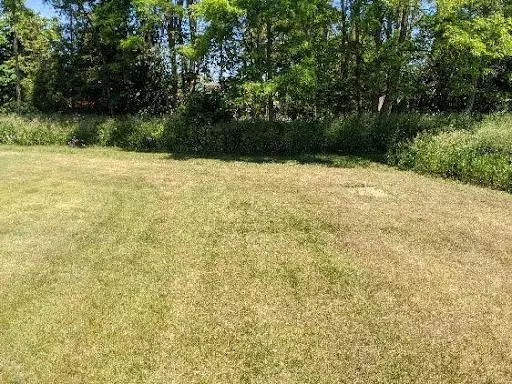
WHAT DOES DROUGHT STRESS ON MY LAWN REALLY LOOK LIKE?

WHAT DOES DROUGHT STRESS ON MY LAWN REALLY LOOK LIKE?

Drought stress refers to the negative effects on a lawn when there is not enough water available for the grass to properly grow and thrive. This can cause the grass to turn brown and dormant, while al...
TAKE-ALL PATCH

TAKE-ALL PATCH

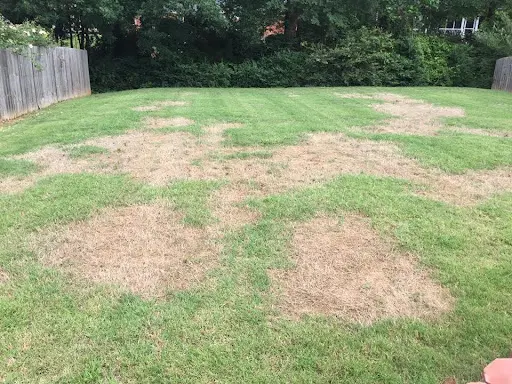
Take-All Patch, also called “Root Rot,” is a common fungal disease that affects the roots of grass plants, particularly in golf courses and lawns. It attacks lawns that are already stressed, weakened,...
MOLES

MOLES

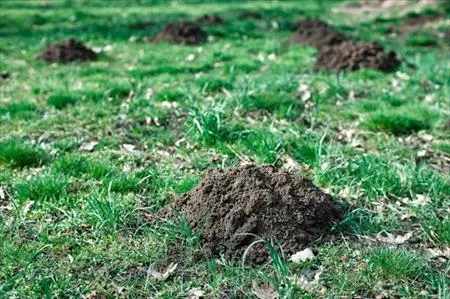
The adult mole is a small, burrowing mammal, commonly found in lawns and gardens. It has dark gray or brown velvety fur and a cylindrical body that is 5 to 8 inches long. It has small eyes and broad f...