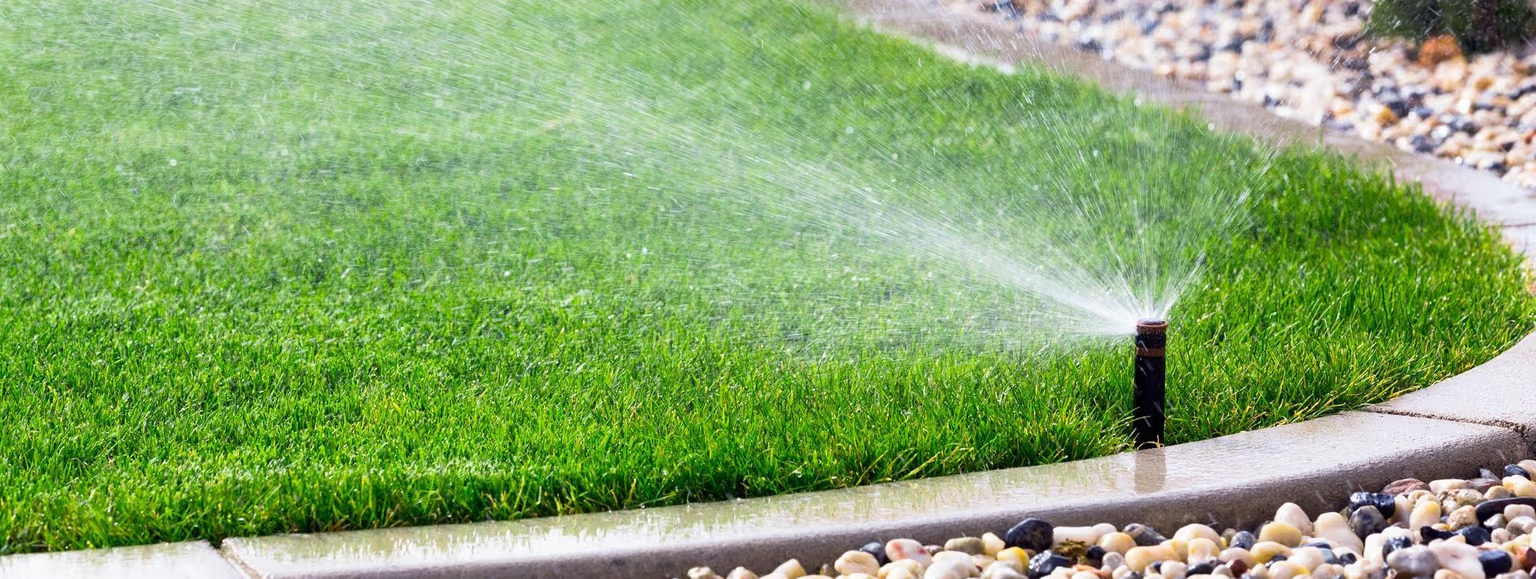
During our recent visit, we performed an overseeding in combination with aeration. This was done to help enhance the appearance of existing turf, thicken up the lawn and help its overall health. Keep in mind that results are entirely dependent on the watering that you do!
There are many questions when it comes to watering after overseeding. We outlined the schedule below to help guide you along the way.
For the best results:
In late Fall (when sprinklers are getting winterized), the longer you can water, the better. But we realize you eventually need to shut them down for the season. Once temperatures stay below 50 degrees F, the seed will go dormant until next Spring and then resume growth. Any water you can provide at this time (i.e. manual watering) will be beneficial, but it isn't absolutely mandatory.
Follow these instructions to maximize your results! Keep in mind that while we guarantee the quality of our seed, we cannot guarantee germination, but we are here to help answer questions at any time!
Please click the following link to view our ever-expanding list of lawn care resources.
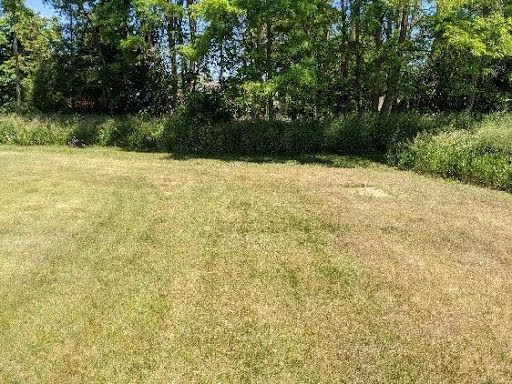
Drought stress refers to the negative effects on a lawn when there is not enough water available for the grass to properly grow and thrive. This can cause the grass to turn brown and dormant, while al...
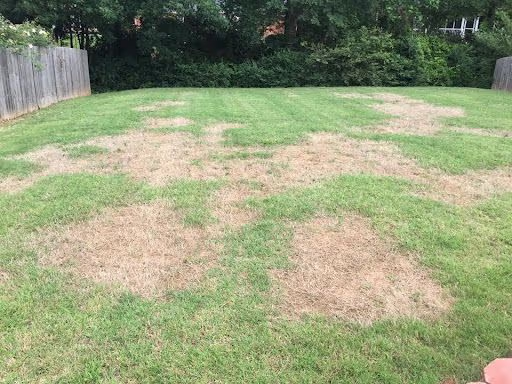
Take-All Patch, also called “Root Rot,” is a common fungal disease that affects the roots of grass plants, particularly in golf courses and lawns. It attacks lawns that are already stressed, weakened,...
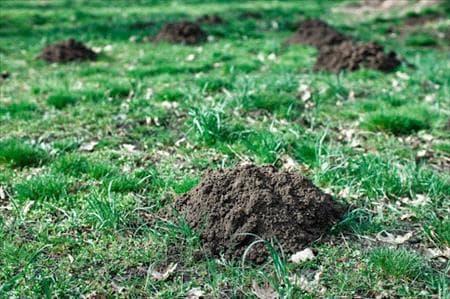
The adult mole is a small, burrowing mammal, commonly found in lawns and gardens. It has dark gray or brown velvety fur and a cylindrical body that is 5 to 8 inches long. It has small eyes and broad f...

