Written By
Ryan LeClaire
Published On
August 5, 2026
As far as you can tell, you’ve done all the right things. You water every night. You bought the most expensive fertilizer at the store, and you’ve carefully hand-pulled all dandelions. But still! Your lawn doesn’t look as good as your neighbours’.
What are you doing wrong? Does your lawn just hate you? It’s not your fault! It can be hard to diagnose what’s wrong with your lawn or why you’re struggling to get the colour and thickness you want.
The truth is that DIY lawn care is incredibly difficult, and well-intentioned homeowners unknowingly undermine their success with simple mistakes every day.
Here are 4 of the most common.
If you’re committing any of these 4 lesser-known lawn care mistakes, you could be accidentally sabotaging your own success:
If you’re doing any of the above, stop immediately.
And keep reading to see what to do instead.
You might have heard that watering the lawn at night is better, because you’re not losing water to evaporation. This is a lawn care myth.
In fact, watering at night causes extended leaf wetness for up to 12 hours, which basically makes your yard a breeding ground for:
At the same time, watering in the afternoon can attract pests. For example, chinch bugs flock to warm and moist environments– the type you create when you water in the afternoon. And chinch bugs can easily spill over into your neighbour’s lawn too!
Here’s what will give you the best results:
As always, these are just guidelines.
A lot of people cut their lawn extra short because they love the look of pristine PGA putting greens. However, PGA golf courses have course managers with PhDs in Turfgrass Management, high-tech irrigation systems, and a fleet of employees… you do not. So proper mowing habits are essential to keeping a green and healthy lawn.
Mowing your grass too short leaves it vulnerable to weather, pests, potential diseases, or weed infestations. Meanwhile, letting it grow too long can prevent it from getting the sun, water, or nutrients that it needs.
As a good rule of thumb, you will want to trim your grass to about 4” (or 10 cm) to ensure it has enough length to protect your soil, and you never want to remove more than one third of the blade when you mow.
You may also want to leave a little more length during peak summer months for added protection from the sun and heat.
However, these are just guidelines. Your best bet is to contact a local lawn care expert who has firsthand experience with your specific grass type and knows the local weather.
One of the most underrated lawn care mistakes people make every day is mowing their lawn with a dull mower blade. A dull blade will tear the grass instead of cutting, which may slow the healing process and maybe even leave you vulnerable to a possible turf disease attack.
Here’s how to keep yours sharp:
And remember, brand new mowers don’t come with sharp blades! You will need to do it!
You’ll want to sharpen your blades at least twice every season, depending on how much you mow. This will help prevent the spread of lawn disease and help your mower run as efficiently as possible.
We’ve talked to countless people who have gone to the hardware store, picked up the most expensive bag of fertilizer, brought home the fanciest spreader they could find, and still find themselves frustrated with brown spots in their lawn or patchy turf.
The truth of the matter is that there is a science and an art (there we said it) to fertilizing lawns. You need to know the best time of the year to spread, what product to use, and how to do it.
You will probably want to fertilize in spring, summer, and fall. But each agronomic zone’s start date is different:
Those dates are just guidelines. Your local weather will dictate everything. If you have a mild winter and an early spring green-up, that will push up your start date. And a late spring will obviously push it back.
Fertilizer burns look like the lawn has turned a golden yellow, similar to the spots often left behind by dogs. This often happens due to an over-fertilized lawn, or too much fertilizer is concentrated in one area.
This may also happen if your spreading technique is off, and you end up spreading too much in a given area.
The long and expensive answer is to use trial and error to find out what type of fertilizer works best on your lawn, while ensuring your technique provides a perfect spread every time.
The easier and smarter answer is to trust the pros. Let experienced professionals take care of your fertilization with proven techniques and the best materials.
Weed Man uses our own slow-release granular fertilizer that contains:
You need a balance of these elements year-round to keep your turf strong and healthy. And our slow-release formula will feed your lawn gradually for long-lasting, even growth, without the surge and crash of store-bought products.
It’s important to know that this is not available in stores or online. We have reserved it only for Weed Man customers, as our way of ensuring the best lawns on each block are Weed Man lawns. And we highly recommend getting a free lawn quote right now to see what it can do for you!
Save yourself the time and sweat from mowing your lawn in peak summer heat.
Most lawns aren't even growing during this time, but sometimes landscapers will still be out there cutting. It's our advice to avoid mowing until temps are reduced or rain is more frequent.
These high and dry temperatures put extra stress on your turf. Mowing will only compound the damage by taking away a much-needed layer of protection. FAQs
Yes, watering at night can lead to your grass being moist for 12 or so hours, which can lead to fungal growth, certain lawn diseases, and the invasion of lawn-killing pests.
It’s best to water your lawn in the cooler parts of the morning, ideally between 5 and 9 am.
Before you try to figure out how to fix brown spots in your lawn, you need to know what causes them. And this could be any one of several things. It could be:
It’s best not to guess or assume you know the cause. Contact a trained lawn care expert to inspect the damage, diagnose the cause, and show you how to recover.
Does it ever! Dog urine is very bad for your grass because it's highly concentrated in nitrogen and salts. And, despite what you may have heard, dog feces is not a fertilizer. It contains high levels of nitrogen, which can be a lawn-killer.
If you’re struggling with this, we wrote a blog that explores how to repair dog urine spots in your lawn and prevent them from happening again.
They sure do! Grubs are among the most common and destructive lawn pests you can encounter.
How do you know if you have grubs in your lawn? If you do, your turf should be yellow with weakened roots, so you should be able to roll it up like a piece of carpet. If you see grubs, you have grubs, and you should contact a grub control professional immediately.
At Weed Man, we do more than just offer professional fertilization and lawn pest control. We also want to be your lawn coach, showing you exactly what you need for the best lawn on the block.
“One of the best things I have done for my yard was to enlist the help of Weed Man. The battle of weeds and billbug and poor looking lawn stopped being a battle since joining forces with Weed Man. Each of the technicians that have managed our yard have been great to work with.” - A 5-Star Review.
You can take control of your yard right now and request a free lawn care quote in a few quick clicks.
Written By
Ryan LeClaire
Published On
August 5, 2026

They say charity starts in your own backyard, and we feel that’s absolutely true. We don’t just work in our communities; we live here too. And we feel it’s important to give back.

Lawn care is a lot like baseball. Fall is when the legends are made.
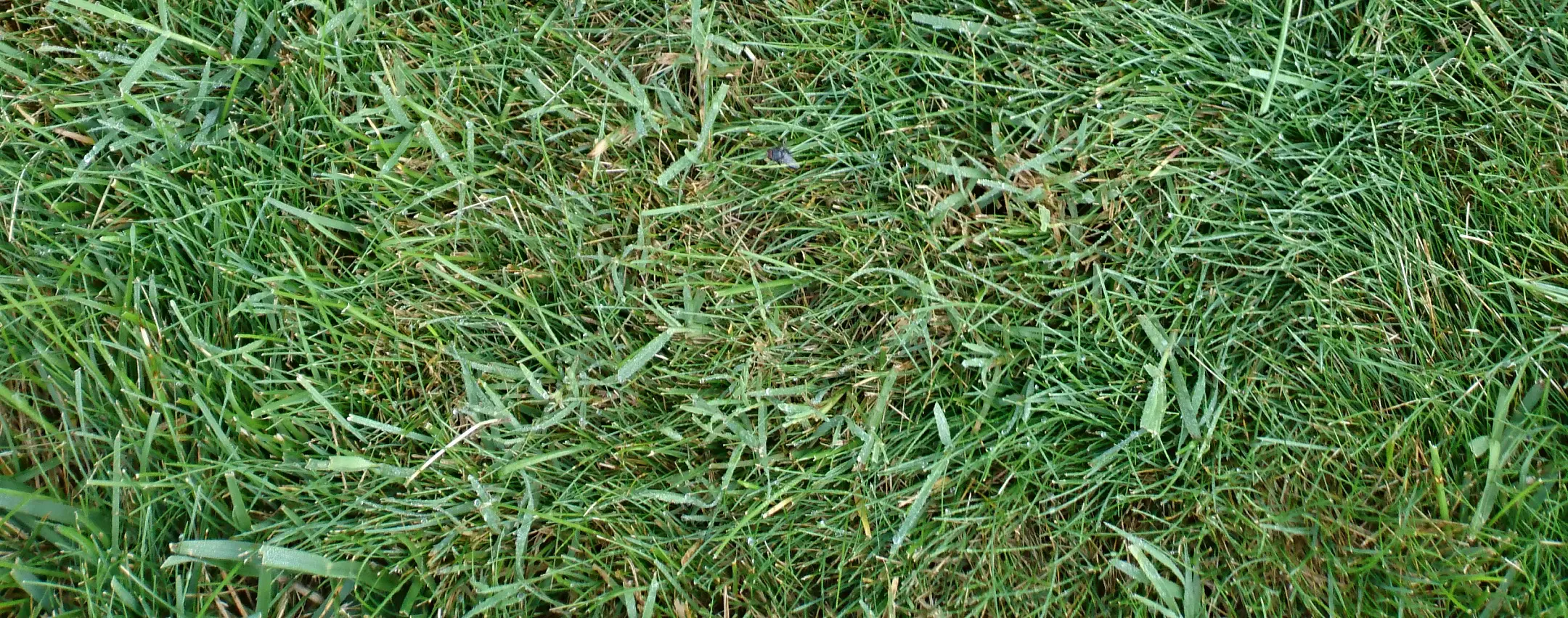
Homeowners in northern and transitional agronomic zones have a lawn care season that runs from spring to fall, then they get to take winter off. But not you.