Written By
Ryan LeClaire
Published On
May 15, 2026
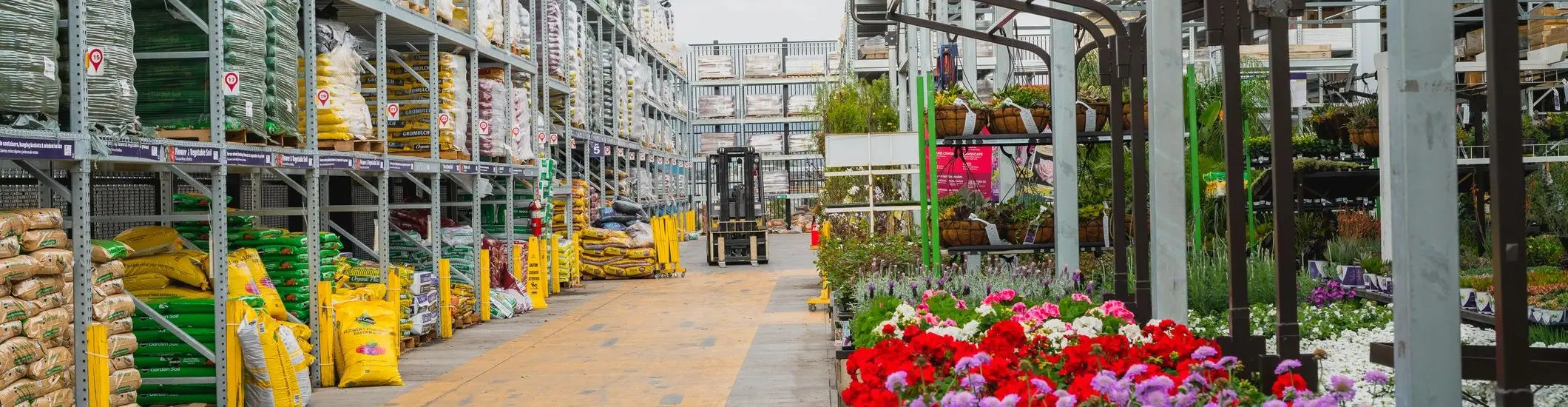
Spring is here, which means countless people are roaming the aisles of their local hardware store, wondering, “What is the best lawn fertilizer?” Or, “Will this work on my type of grass?”
Let us save you a lot of label-reading and store-clerk-asking. The best fertilizer isn’t on a shelf or even sold online.
Here’s why.
It’s hard to get pro-grade turf by using amateur-level fertilizer.
The pros can achieve golf-course-quality turf because they use slow-release granular fertilizer that feeds your lawn with nutrients when it needs them, rather than force-feeding them when it doesn’t. Overfeeding is how you burn your lawn.
Even though the label of a store-bought product may say something like “lawn saver” or “super food,” it probably contains a lot of filler, which can lead to inconsistent spreads and burnt lawns.
At Weed Man, we only use premium slow-release granular fertilizer. Our own custom fertilizer blend combines essential nutrients, including:
The key difference is that our special blend feeds your lawn gradually for long-lasting and even growth, without the surge-and-crash effect of off-the-shelf products.
As we mentioned, this is not available online or in any store! This is our own proprietary premium blend that is only available to Weed Man customers. It’s our way of ensuring that the best lawns in every neighbourhood are Weed Man lawns.
If you want to see what it can do for you, start right now by answering a few quick questions about your lawn.
Choosing the right fertilizer from a store can be challenging, as there are many brands, sizes, and formulations to choose from. A higher price tag does not always mean a product is better suited for your lawn’s needs.
Many store-bought granular fertilizers contain significant amounts of filler, so larger quantities are often required to achieve results. Liquid fertilizers are also common, but they can be difficult to measure accurately during application, making it easy to apply too much or too little. Many of these products are quick-release fertilizers, which increase the risk of burning the lawn if overapplied.
Burns to the lawn can occur when too much fertilizer is concentrated in one area, causing the grass to turn a golden yellow, similar to the spots often left behind by dogs.
Slow-release granular fertilizers are generally more forgiving and provide nutrients more gradually, reducing the likelihood of damage from application mistakes.
This is another important question that people across North America are asking right now. And the answer actually depends on where you are in North America.
For example:
Those are only rough timelines. It all depends on what type of spring you’re having. If you have an early thaw and green-up, you will want to fertilize a little sooner.
We often say that, on average, lawns should be fertilized four to six times per year.
However, there are a lot of variables there too, such as:
This will also greatly depend on the type of fertilizer you’re using. You can easily fertilize twice as often with an inferior product and get half the results.
The right fertilizer can make a huge difference in giving you thick and green grass, but it’s not a cure-all.
Some people will see a thin or bare patch on their lawn and apply fertilizer and water heavily to encourage growth.
The problem with that is that they don’t know why that patch is thin or bare. If it’s bare because of chinch bug infestation, no amount of watering or fertilization will help it. You will just waste your time and product.
One incredibly cheap and easy thing you can do is mulch your grass back into the lawn when cutting. This is a simple and free way to put nutrients like nitrogen and potassium back into the soil, as clippings break down naturally.
At the same time, you want to make sure your soil can fully absorb the nutrients you’re spreading, so you want to make sure it’s not compacted. And the best way to do that is through a professional lawn aeration to break things up.
This will:
This could make a big difference, and if you combine a professional aeration with the best fertilizer on the market, you’re setting yourself up for your best lawn ever.
As we mentioned earlier, our premium slow-release fertilizer is only available to Weed Man customers. We believe it is the very best lawn fertilizer for spring, summer, and fall applications.
“Ordered the weed and fertilizer services for my mom and it is crazy to see how much greener her lawn is!” - A 5-Star Google Review.
If you’re ready to see the difference pro-level fertilizer can make, we’re ready to show you! Start right now by answering a few quick questions about your lawn.
Written By
Ryan LeClaire
Published On
May 15, 2026

They say charity starts in your own backyard, and we feel that’s absolutely true. We don’t just work in our communities; we live here too. And we feel it’s important to give back.

Lawn care is a lot like baseball. Fall is when the legends are made.
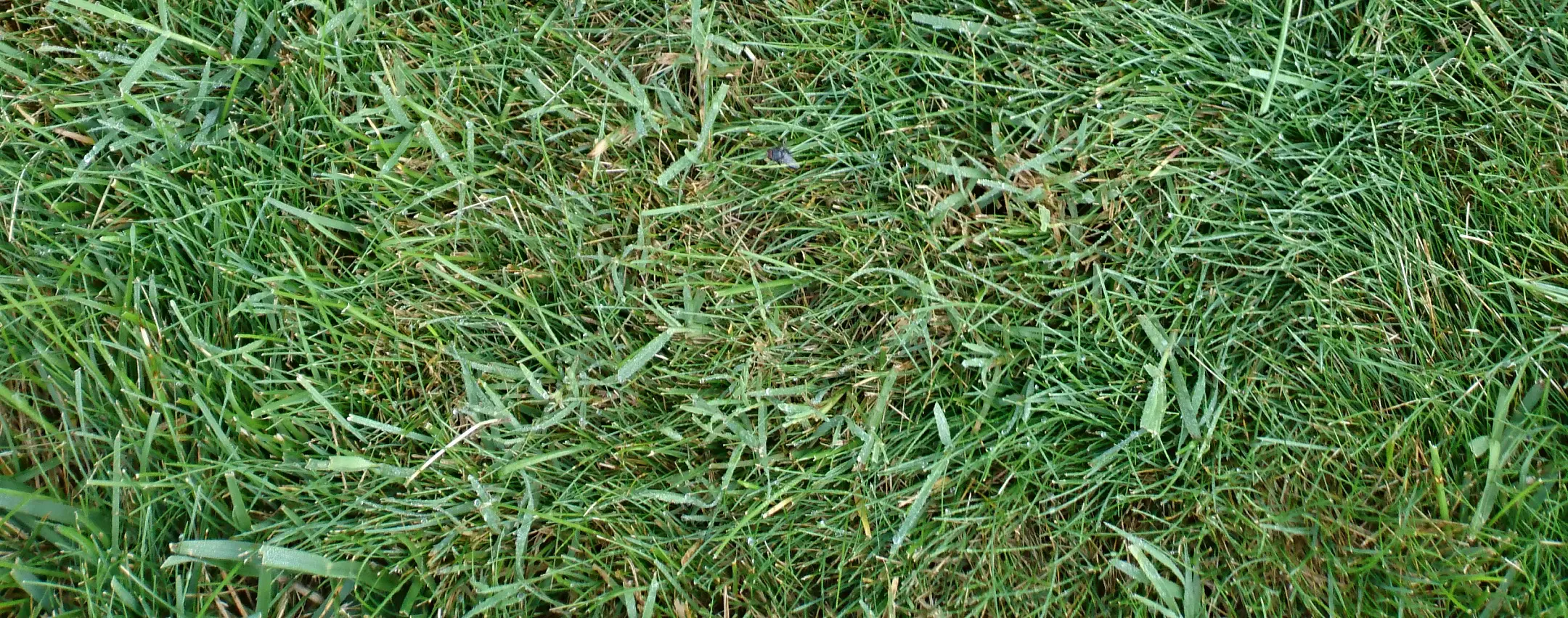
Homeowners in northern and transitional agronomic zones have a lawn care season that runs from spring to fall, then they get to take winter off. But not you.