Written By
Ryan LeClaire
Published On
October 23, 2026
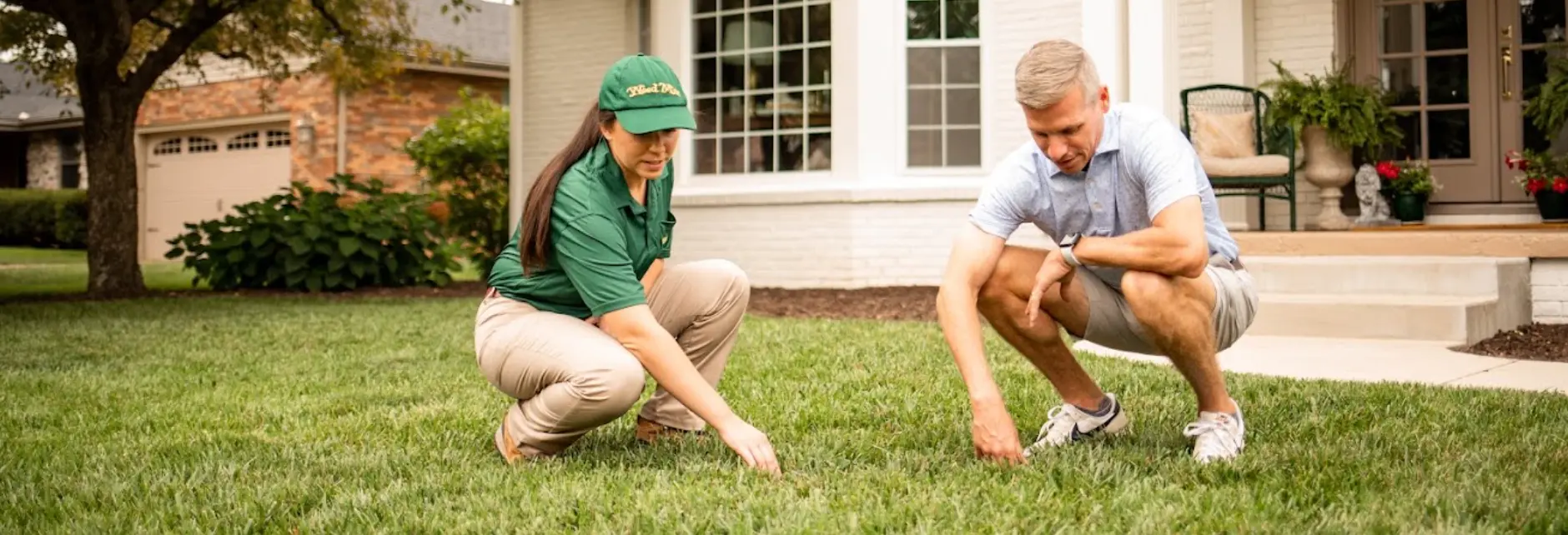
Do you struggle with bare or thin patches in your lawn, no matter how much you water or fertilize?
We’ve found that a fall aeration can be the difference between an okay lawn and one that makes the neighbours jealous.
The odds are good that the thickest and fullest lawn on your block was recently aerated. And here’s why.
An aeration pulls out small plugs of soil from your lawn. This will open channels that allow three key benefits to reach your grass roots:
These plugs (or “cores”) are left on the surface of the lawn until they break down naturally.
Over time, your soil can become compacted by foot traffic and weather. When you combine this with a buildup of thatch, it can prevent your lawn from getting the air, water, and nutrients it needs.
An aeration will:
The end result is most often simply a thicker and greener lawn.
After a busy summer, your soil is probably compacted after a season’s worth of foot traffic. Getting an aeration will break up your soil and help reduce any thatch buildup.
This will make your lawn more resistant to harsh conditions, while also setting yourself up for your best lawn ever next year.
Does it feel like you’re walking on the driveway when you walk on your lawn? That’s a telltale sign that your soil is compacted.
If you have a significant rainfall, do puddles sit on your lawn for a few hours afterward? That’s also a sign your soil isn’t absorbing the water the way it should be, or you have other possible drainage issues.
You don’t need high-tech tools to test your soil. You simply need a screwdriver or garden trowel.
If you want to see if your soil is compacted, try the following:
This could be a sign you need aeration, and you should get a free lawn care quote from us.
This one’s a slam dunk, and the opportunity should be taken advantage of. We have seen amazing results from overseeding after aeration!
That's because the seeds will fall deep into the freshly cored holes in your soil. This gives them better seed-to-soil contact, which leads to improved germination. By combining these two cultural practices, you’re giving your lawn a fighting chance to thicken and reduce the amount of weeds that could infiltrate the lawn.
This will:
It’s a one-two punch that can really help you take your lawn to pro-level.
If you have some thin or bare patches on your lawn, overseeding can make a big difference. Our customers typically notice germination within 1-2 weeks, with proper watering and ongoing care.
You may see full results in 4-5 weeks, depending on your grass type and your area's weather.
We also recommend a fall fertilizer treatment to customers who want the best colour and the thickest grass.
This will give your lawn the essential nutrients it needs to survive winter. But remember, not all fertilizers are created equal!
For best fall lawn care results, use a slow-release fertilizer that will feed your lawn gradually over the winter months. This is the only type of fertilizer Weed Man uses, and our own special granular fertilizer is not available in stores or online. It’s reserved for Weed Man customers!
If you want to see the difference pro-level fertilizer can make in your yard, start right now and get a free lawn care quote in a few quick clicks.
Before your aeration, you don’t need to do anything to prep your turf. However, you will want to mark all sprinkler heads with small flags, which you can pick up at any hardware store. These help your Weed Man technician avoid these areas.
When it comes to after your aeration, you will want to:
Besides that, just enjoy a thicker and healthier lawn.
We recommend aerating your lawn at least once per year, either in the fall or spring (depending on your area) to preserve long-term health.
Some lawns would benefit from two a year.
It’s not 100% necessary, but aerating before you overseed will always give you the best results, because the seeds will fall down the fresh holes in the yard, which leads to maximum seed-to-soil contact and better germination.
That’s the last thing you want to do.
Yes, we know what they look like. However, you will want to let them break down naturally through watering and rainfall, so they can feed nutrients back into your soil.
Absolutely!
We would say that compacted soil is one of the leading causes of thin lawns. Breaking that up will allow your lawn to absorb more water and nutrients.
Fall lawn care is what separates a good lawn from a champion one. And we are ready to be your lawn care MVPs!
“Our neighbour told us about Weed Man and we see a huge difference already. They are very knowledgeable on what needs to be done and give great advice on how to maintain your lawn.” A 5-Star Google Review.
Don’t delay! Get a free lawn care quote right now in a few quick clicks.
Written By
Ryan LeClaire
Published On
October 23, 2026
How Fall Lawn Care Shapes Your Spring Lawn


They say charity starts in your own backyard, and we feel that’s absolutely true. We don’t just work in our communities; we live here too. And we feel it’s important to give back.
Lawn care is a lot like baseball. Fall is when the legends are made.