Written By
Ryan LeClaire
Published On
June 17, 2026
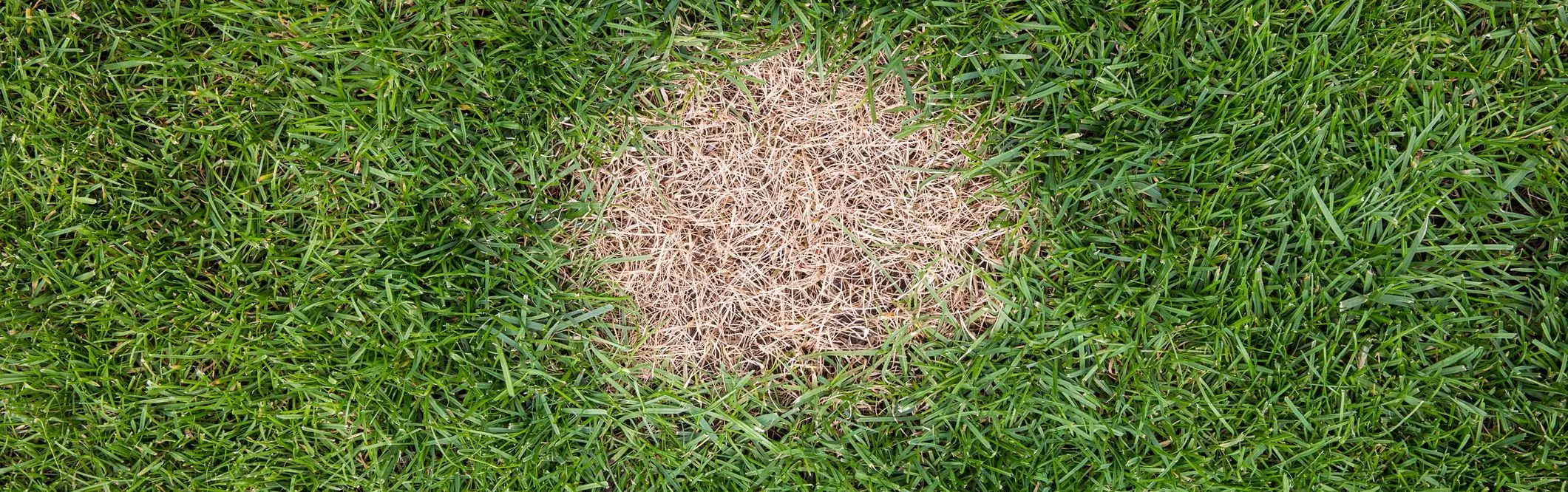
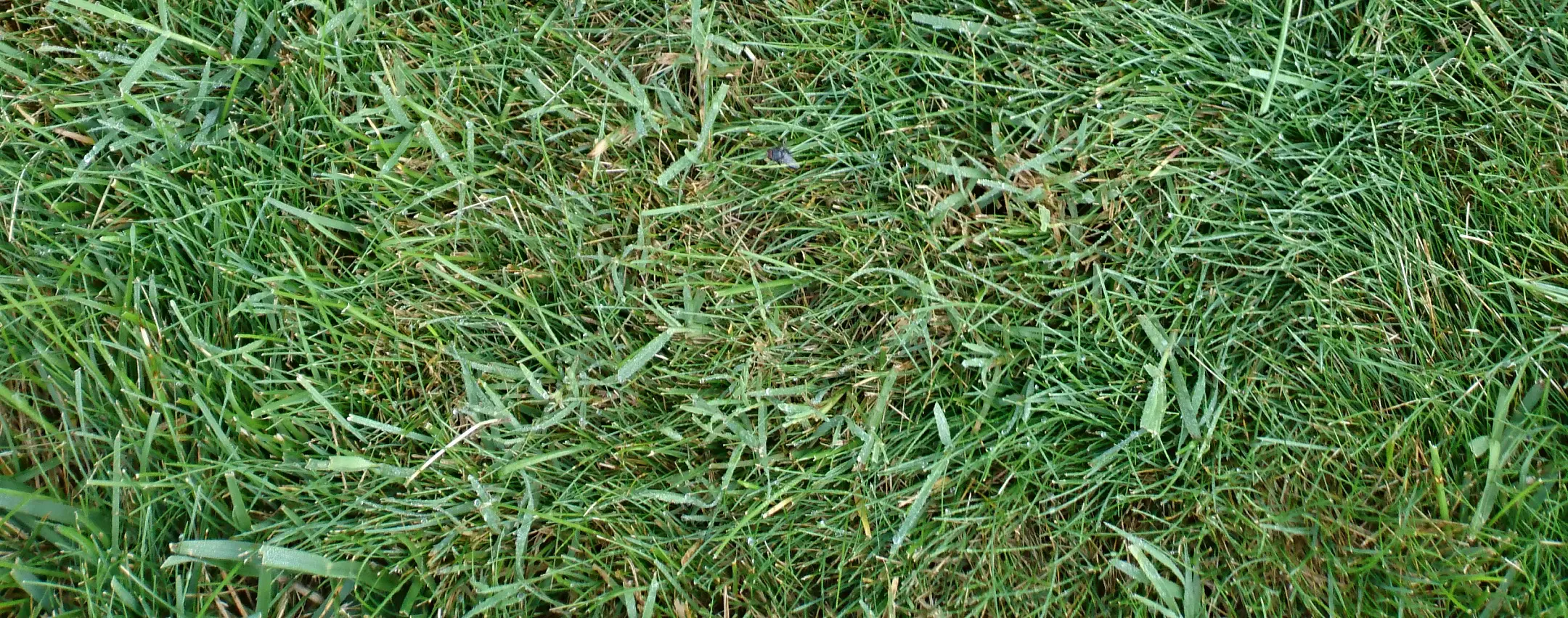
You could have a lawn that makes your neighbours stop and look… Except for that one yellow spot smack dab in the middle of the front lawn! And sometimes it’s all you can see.
It can be incredibly frustrating. You may try everything from watering this patch a little longer, or adding a little more fertilizer to try to encourage growth. But nothing seems to work.
Don’t beat yourself up. Your lawn could have any one of several conditions that are causing thin or bare patches. You could even have more than one! You need to correctly identify the true cause before you figure out the best solution. And that can be the tricky part.
The key challenge is that a variety of factors can cause these yellow, thin, or dead spots on your lawn. It could be anything from incorrect lawn maintenance, to simple drought damage, to any number of common lawn pests or lawn diseases.
The most common causes include:
Proper identification is crucial because different problems call for different solutions. More water is not always the answer, and in many cases, it won’t help at all.
With that in mind, here are some of the most common issues your lawn may have, and the recommended fixes.
Grubs are intrusive lawn eaters, and they could easily be the reason you have yellow grass or thin/dead spots on your lawn.
The simplest way to see if you have grubs is to just lift your turf and check. If you have grubs, the roots should be eaten or weakened underneath the turf, and it should roll up like carpet. You should be able to easily see the grubs in the soil.
It’s also important to know that skunks and raccoons like to feed on grubs, and you may experience secondary damage when these animals dig up your lawn looking for a meal.
This is beyond chemical control because they may dig even if there are no grubs left.
Unfortunately, grubs are among the most stubborn lawn pests to control. Despite the promises a lot of products make, most over-the-counter solutions at your local hardware store are less effective. As experts in this field, we’ve found that the best grub control results come from preventative grub control treatments (often in summer or early fall) to coincide with the grub life cycle and kill them while they’re still eggs.
On top of that, you also need to double down on your beneficial cultural lawn practices and maintenance, such as:
Sadly, there is no quick fix for this one. Don’t wait for grubs to take over. We can help! Act right now and get a free lawn care quote by answering a few quick questions.
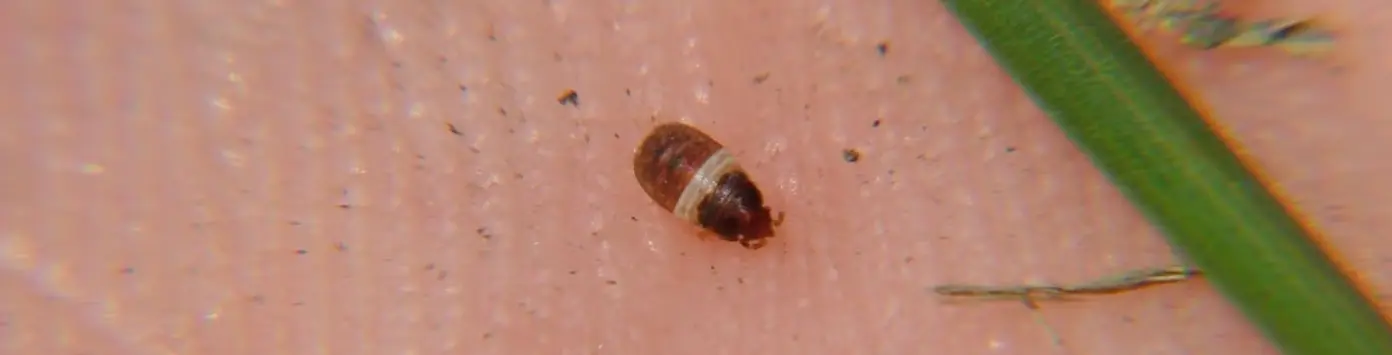
Besides grubs, you may also be looking at damage from other lawn insects such as:
Chinch bugs are probably the most common. These tiny pests will drain the sap from your grass and leave a dangerous toxin in its place. This can kill the grass and lead to yellow or bare patches of turf.
The worst part? Chinch bugs are extremely hard to kill, and no sprays from the hardware store can help you. The efficacy can be an issue, as can the method of application. That’s why strategic chinch bug control measures are crucial.
You need to act as soon as possible, because they can lay as many as 250 eggs in early summer, and the nymphs begin feeding on your grass right away.
This problem will not go away on its own and will probably get worse.
First, you will want to confirm that you’re looking at chinch bug damage, and not some other lawn problem.
We recommend running a quick test:
If you see chinch bugs, you have chinch bugs! If you don’t see them, you may still have another lawn pest. In either case, you should get in touch with your local Weed Man as quickly as possible before they take over.
These dead areas might be popular spots for your pet to do their business. In the lawn care world, we simply call this dog spot. Pet urine and feces are high in nitrogen, which can kill your grass in a manner very similar to burning your lawn with fertilizer.
Despite what you may have heard, dog feces is not a good fertilizer.
The first step is to correctly identify this as the problem, because pet damage can easily be mistaken for other lawn pests, diseases, or conditions.
If you confirm the damage is being done by a four-legged friend, we have written an entire blog about what to do if your dog is killing your lawn with urine or feces.
If you have large or mature trees on your property, they will outcompete the lawn for any accessible moisture, therefore causing additional stress to the grass during drought periods.
At the same time, heavily shaded areas require certain types of grass, and it can be difficult to get grass to grow.
Another example of this would be trying to get grass to grow around trees and bushes with relatively high levels of acidity, such as:
These types of conifers can lead to difficulties on your lawn.
If the roots from a nearby tree are stealing water from your lawn, you might consider the following:
If you have a tree that’s preventing your grass from getting sunlight, you may want to consider pruning certain branches– once again, after consulting an arborist and local by-laws.
You also may consider overseeding or reseeding your lawn’s bare spots with shade-tolerant grass seed.
You can also cause lawn damage if you accidentally spill gas or any other type of solvent on your lawn. Or if your lawn mower, hedge trimmer or other gas-powered equipment is leaking and leaving a path of destruction behind it.
This can also happen if you spill fertilizer on your lawn. Damage to the grass will look like a golden yellow spot in the middle surrounded by dark green grass on the edges from nitrogen. Whether you’ve spilled a pile of granules on the ground or liquid fertilizer dripped on the lawn while you were spraying your flower garden, there is going to be some work to repair the area.
DIY fertilizing can be incredibly difficult because it often boils down to a lot of trial and error. When you don’t see the results that you want, you have to ask yourself if the problem is your:
And then you may wonder if you’re fertilizing too soon or too early in the season. Are you watering too much or too little afterward?
The best solution is to trust the pros. They know the type of fertilizer that will work best on your lawn, how much and when to spread it, and what you need to do after to get the best results.
At Weed Man, we not only offer fertilization experts with local experience, but we also use our own proprietary slow-release granular fertilizer. It feeds your lawn when it needs nutrition, without overfeeding, which prevents burns.
As your local lawn care experts, Weed Man’s experienced technicians can properly diagnose what’s ruining your lawn, walk you through the solutions, and then fix the issue to give you the full and green turf that everyone wants.
“We have used The Weed Man service for the past 20 years, and our lawn consistently looks great. Our neighbours were so impressed with how healthy our lawn looks that they also started using the service.” - A 5-Star Google review.
Don’t wait for your problem to get worse! Get a free lawn care estimate today!
Written By
Ryan LeClaire
Published On
June 17, 2026
They say charity starts in your own backyard, and we feel that’s absolutely true. We don’t just work in our communities; we live here too. And we feel it’s important to give back.

Lawn care is a lot like baseball. Fall is when the legends are made.
Homeowners in northern and transitional agronomic zones have a lawn care season that runs from spring to fall, then they get to take winter off. But not you.