Written By
Ryan LeClaire
Published On
July 16, 2026
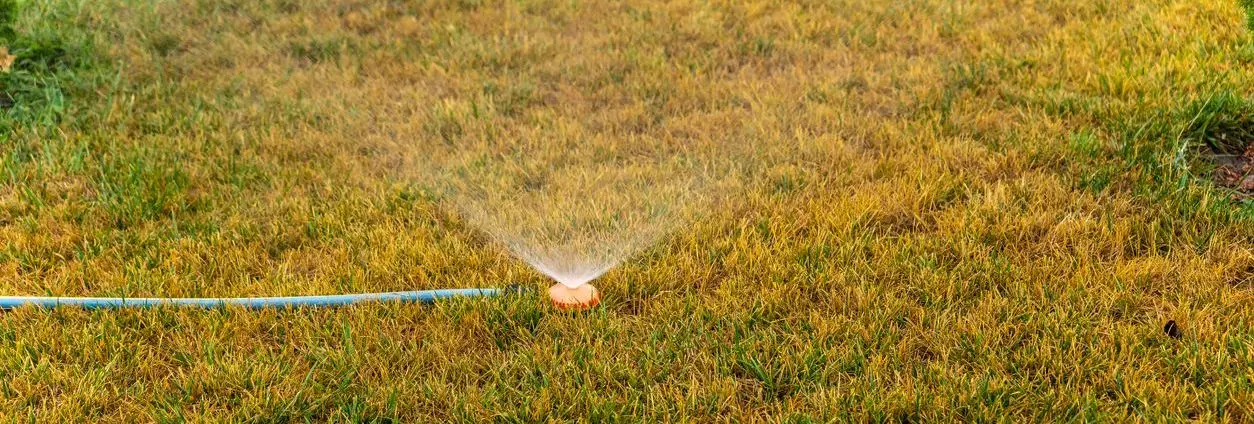
We get most of our calls in the early spring and into June. But we still get calls in July from people asking, “Is it too late in the season to save my lawn? Did we miss the prime lawn care window?”
It’s true that spring is an ideal time to start maintaining your lawn to have it in tip-top shape for summer, but it’s never too late to take your lawn game seriously. Imagine you've just bought a home in July, and when you move in, the weeds are taking over and the lawn is yellow. It's just as important now to fertilize your lawn or get rid of those pesky weeds; it's never too late!
Here’s why.
Despite what you may think, July is not too late, and we help people start in mid-summer all the time! Rescuing your lawn from the summer conditions and prepping it for fall are essential.
Yes, this is peak heat season and peak stress season for most areas. But there is still a lot you can do right now.
First and foremost, this is the perfect time to start building good summer lawn care habits. If you get the fundamentals down now, they will serve you well every summer after this.
This includes:
You also need to set your soil up to succeed, which could include an aeration.
Here are some of the things you may see in July that often get people thinking about upping their lawn care game.
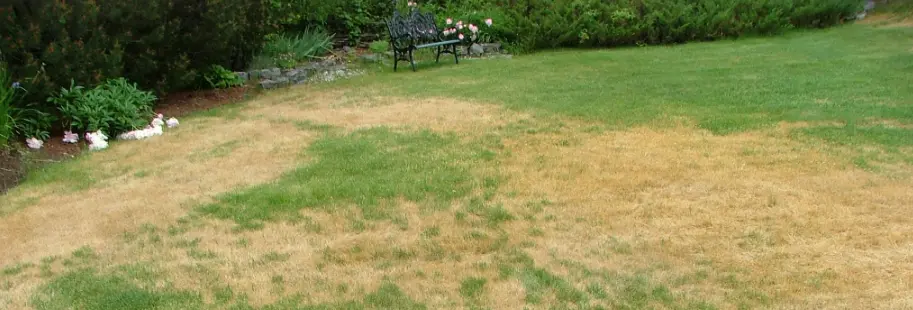
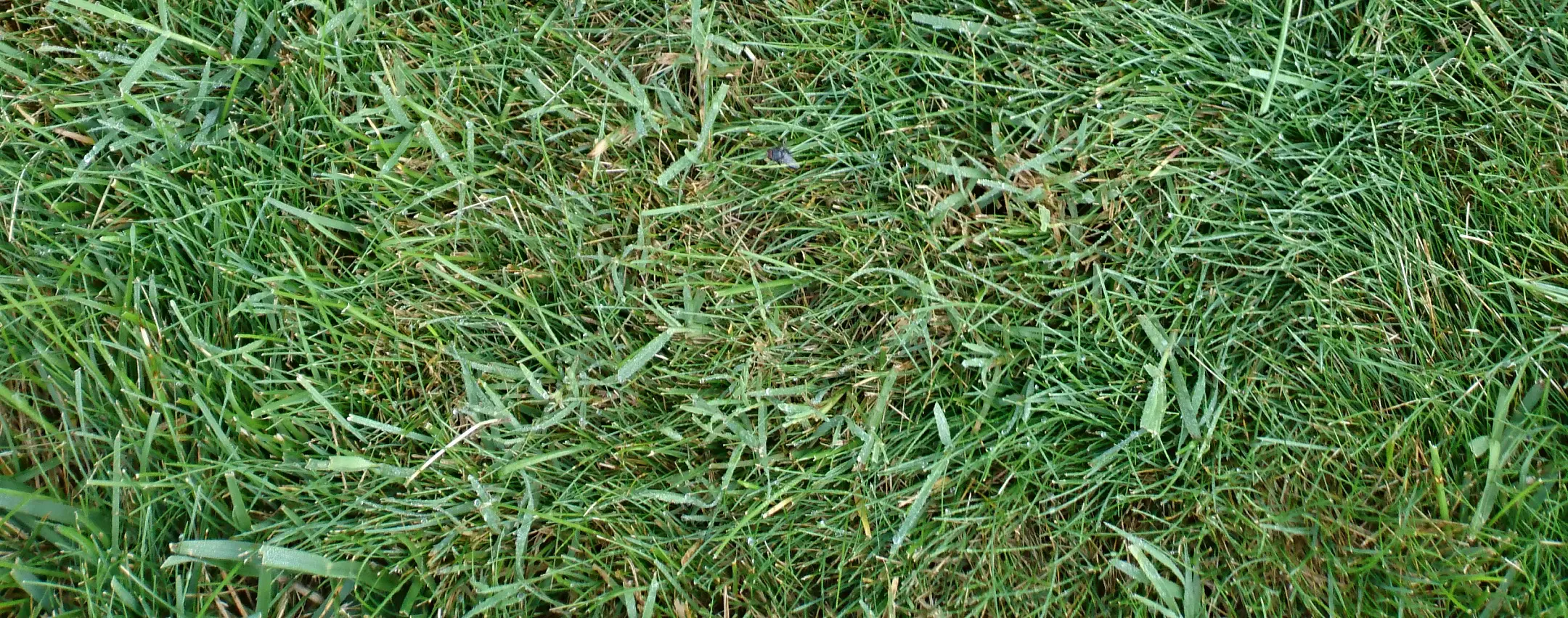
This is one of the most common problems customers come to us with. Either their lawn has never been this yellow and patchy before. Or they’re simply tired of looking at it. Or maybe they recently saw an amazing before-and-after picture and started to wonder what was possible for their own yard.
One thing you don’t want to do is just go out and start watering and fertilizing with no plan. That will waste a lot of time and money.
The first crucial step is identification. You need to know why your lawn looks patchy or unhealthy. And the problem is that it could be due to any number of lawn conditions, including…
We have a lot of markets experiencing summers unlike any they’ve seen before.
When you experience prolonged hot and dry weather, your lawn will go brown or yellow as a defense mechanism, redirecting its energy to the roots and crown to protect itself.
It simply needs more water, but we all know that drought conditions often come with water bans/restrictions.
If watering your discolored or patchy grass isn’t making a difference, it’s possible that you have a lawn disease.
A lot of lawn diseases can cause yellow/brown grass that looks a lot like drought stress– or a lot like several insect problems for that matter (see next section).
Some of the most common lawn diseases we see include:
That’s a long list. And again, several of them present the same symptoms. Instead of guessing, we highly recommend getting an experienced lawn expert to look at what you have. They will know the most common lawn diseases in your area, and how to address them.
Do you have a lawn disease? Or has your lawn been invaded by lawn-killing pests like:
There is no single catch-all solution that helps you get rid of all insects. So once again, it’s best to bring in a professional.
Weeds are a double-whammy. The weeds themselves are unsightly. And when a weed species invades your yard, it will quickly start to compete with your healthy turf for water and nutrients, which can create thin/patchy or brown/yellow spots.
The most common weeds we encounter include:
Each of these weeds requires a different approach and a different strategy to rid your yard of them.
Despite what so-called weed-killing sprays at the hardware store promise, the only way to safely remove these weeds and keep them from coming back is working with an experienced weed expert and keeping up with your regular lawn maintenance.
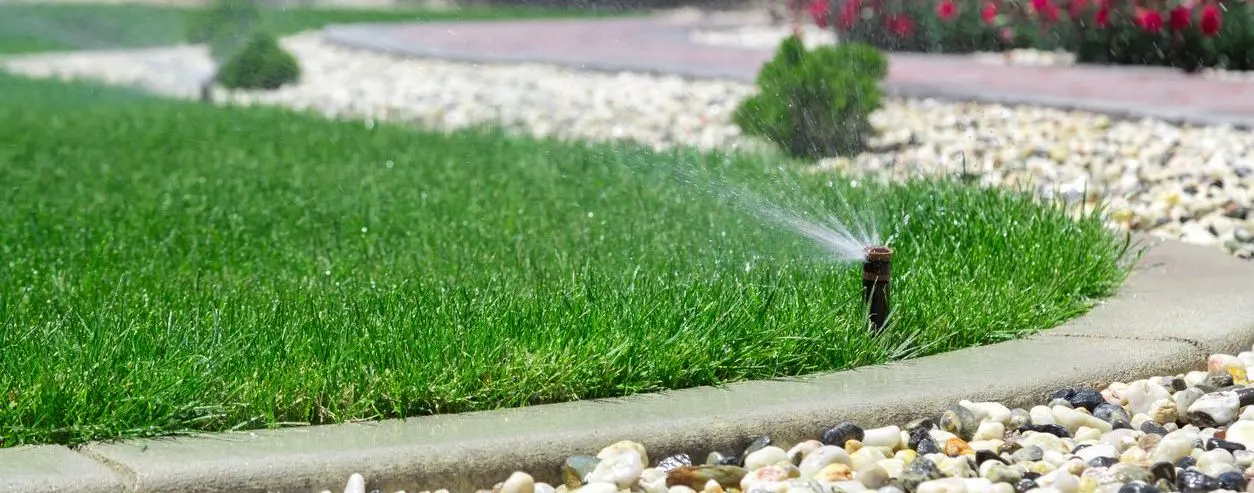
You will get the best results if you water deeply and infrequently. That means avoiding daily watering and adopting a more strategic approach.
Here’s what that would look like:
Never water for the sake of watering. If your area has seen a lot of rainfall recently, you can probably skip a watering or two.
You got a later start to the season, so don't make your job even harder by making any of these all-too-common mistakes.
The last point is exactly why Weed Man uses our proprietary granular slow-release fertilizer, which feeds your lawn when it needs it, slowly over time.
This fertilizer is not available in stores or online. It’s only available to Weed Man customers. It’s our way of ensuring that the best lawns on the block are Weed Man lawns.
Absolutely!
The best time to start fertilizing your lawn will depend on the area you live in. But every lawn can use a source of food in the form of fertilizer no matter what time of year, particularly if it’s never been done before.
Your lawn could be turning yellow or brown due to any number of lawn conditions that may include:
It could also be as simple as damage from pet urine if the damage is concentrated in one area.
This is why you should get a professional to inspect your damage and correctly identify the problem. You can start right now and get a free lawn service quote by answering a few quick questions.
You should not!
Watering without a plan or simply watering every day can do more than waste your time and water. It may open the door to certain lawn diseases and lawn pests!
You should call an experienced lawn professional the moment you decide you want a better lawn, and save yourself guesswork or trial and error.
“First time using Weed Man. They do lawn treatments I could never do myself. Lawn is improving significantly. Amazed at how quickly and efficiently they do each treatment.” - A 5-Star Google review.
You can start right now and get a free lawn care quote in a few quick clicks.
Written By
Ryan LeClaire
Published On
July 16, 2026

They say charity starts in your own backyard, and we feel that’s absolutely true. We don’t just work in our communities; we live here too. And we feel it’s important to give back.

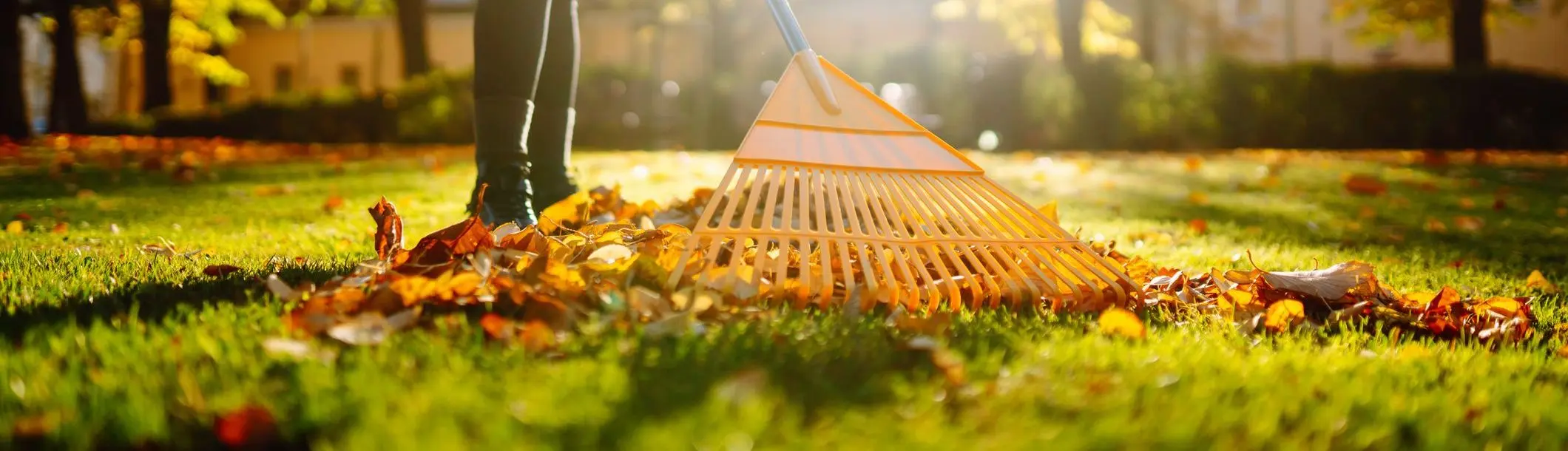
Lawn care is a lot like baseball. Fall is when the legends are made.
Homeowners in northern and transitional agronomic zones have a lawn care season that runs from spring to fall, then they get to take winter off. But not you.